


How Vinyl Privacy Fences Effectively Reduce Noise and Enhance Outdoor Privacy
Vinyl privacy fences are widely valued for their capacity to reduce ambient noise while providing visual seclusion, which makes them a frequent selection for both residential and commercial sites. Beyond serving as a physical boundary, they contribute to sound attenuation and a quieter exterior environment. This article examines the benefits of vinyl privacy fencing, explains how these systems function as sound barriers, and outlines their long-term maintenance and aesthetic advantages. It also considers the effects of fence height and design on acoustic performance and describes landscaping measures that can augment effectiveness.
What Are the Key Benefits of Vinyl Privacy Fences for Noise Reduction?
Vinyl privacy fences deliver several advantages that support noise reduction objectives. The inherent durability of vinyl enables these fences to resist weathering without rapid deterioration, providing a long-term asset for property owners. Vinyl systems demand substantially less upkeep than traditional timber, which often requires periodic staining or painting. In addition, vinyl is available in a variety of styles and colours, permitting a balance of functional noise control and considered aesthetic integration with the surrounding landscape.
For those looking to enhance their outdoor privacy while reducing noise, GNG Vinyl specialises in high-quality vinyl fencing solutions tailored for Southern California homeowners and businesses. Their professional installation services are designed to maximise the benefits of vinyl fencing, ensuring that your outdoor space remains both beautiful and functional.
How Does Vinyl Material Act as a Sound Barrier?
Vinyl functions effectively as a sound barrier due to panel density and continuous construction. Dense vinyl panels absorb and impede sound energy, while the seamless, interlocking design reduces gaps that otherwise allow sound transmission. Vinyl’s resistance to weathering helps it retain structural integrity over time, preserving its acoustic performance without frequent structural repairs.
Sound Insulation: Materials and Noise Control Strategies
This chapter reviews the field of sound insulation and examines public health issues linked to noise pollution. It documents the prevalence of urban noise and associated health effects, including hearing loss, stress, cardiovascular conditions, and cognitive impacts. The chapter differentiates between active noise control, which uses electronic cancellation, and passive noise control, which relies on materials and design to absorb or reflect sound. A dedicated section addresses sound insulation materials as key components of passive control and their role in reflecting or absorbing sound waves.
Sound insulation: key concepts and technologies, J Mago, 2024
What Long-Term Advantages Do Vinyl Fences Offer for Privacy and Maintenance?
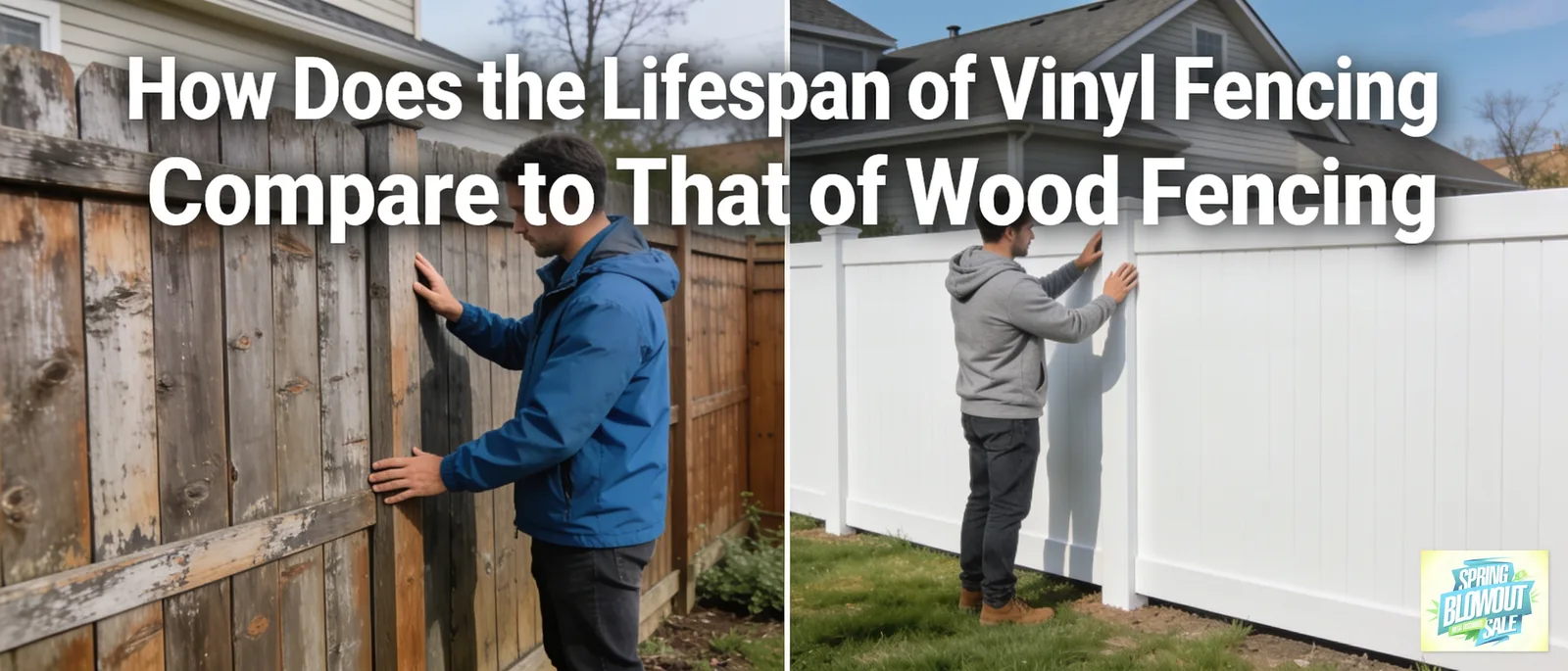
Vinyl fences present notable long-term advantages in privacy and upkeep. Their material longevity often spans decades without substantial repair or replacement. Maintenance is minimal—periodic cleaning suffices to remove surface dirt—while vinyl resists warping, splintering, and fading that commonly affect timber. These characteristics make vinyl a cost-effective solution over time, providing property owners with reliable privacy and sustained noise mitigation.
Which Fence Materials Provide the Best Noise Blocking Performance?
When assessing noise reduction, different fence materials exhibit varying performance levels. The table below compares common materials used for noise-blocking fences and summarises their relative effectiveness and maintenance demands.
The table indicates that vinyl fencing offers a high level of noise reduction combined with low maintenance, making it an effective option for property owners seeking both acoustic performance and aesthetic appeal.
Noise Abatement: Comparing Barrier Materials and Performance
ABSTRACT: This 2014 Master of Science thesis (Ohio University, Civil Engineering) addresses the increasing need for noise abatement as traffic volumes rise. The work explains how noise barriers can reduce local exposure to elevated sound levels and reviews various construction materials, each with distinct acoustic properties. To determine comparative performance, the study conducted a two-part evaluation of decibel levels across six materials and compared field measurements to the Federal Highway Administration’s Traffic Noise Model (TNM). Field recordings used microphones positioned behind the barrier in specified patterns, and the TNM was used to replicate the field configuration for comparison.
Comparison and testing of various noise wall materials, 2014
How Do Vinyl Fences Compare to Other Soundproof Fencing Materials?
Vinyl fencing is distinct from other sound-mitigating materials such as timber and chain link. Timber can provide moderate acoustic insulation but typically requires greater maintenance and may degrade, reducing its effectiveness over time. Chain link offers minimal sound attenuation because of its open structure. By contrast, vinyl provides a continuous barrier that limits sound transmission while requiring comparatively little upkeep, supporting long-term performance.
What Are Noise Blocking Fence Panels and Their Effectiveness?
Noise-blocking fence panels are engineered to limit sound transmission. They are commonly constructed from dense materials that absorb or reflect sound energy, and their effectiveness depends on panel composition and assembly. Vinyl panels are recognised for offering substantial noise reduction, which is why they are frequently selected for properties adjacent to busy roads or other noise sources.
What Are the Professional Installation Practices for Soundproof Vinyl Fences?
Professional installation is essential to optimise a vinyl fence’s acoustic performance. Best practices include accurate panel alignment, securely embedding posts to the recommended depth, and using quality components to eliminate gaps that permit sound leakage. Installers also advise selecting an appropriate fence height to improve sound attenuation. Adherence to these standards ensures the fence delivers maximum privacy and noise reduction.
How Does Fence Height and Design Influence Noise Reduction?
Fence height and construction substantially affect acoustic performance. Increased height generally improves sound attenuation by enlarging the barrier between the noise source and the protected area. Solid, gap-free designs outperform slatted or open styles for noise control. Property owners should evaluate their specific noise exposure and select a height and design aligned with those requirements.
What Are Expert Tips for Installing Vinyl Fences to Maximize Privacy?
To maximise privacy with vinyl fencing, experts recommend the following guidelines:
- Choose the Right Height: Opt for a taller fence to block more sound and enhance privacy.
- Ensure Solid Construction: Select solid panels without gaps to prevent sound leakage.
- Consider Landscaping: Integrate landscaping elements, such as shrubs or trees, to further enhance privacy and noise reduction.
Implementing these recommendations enables homeowners to establish a more private and acoustically controlled outdoor environment.
How Can Landscaping Enhance the Noise Reduction of Vinyl Privacy Fences?
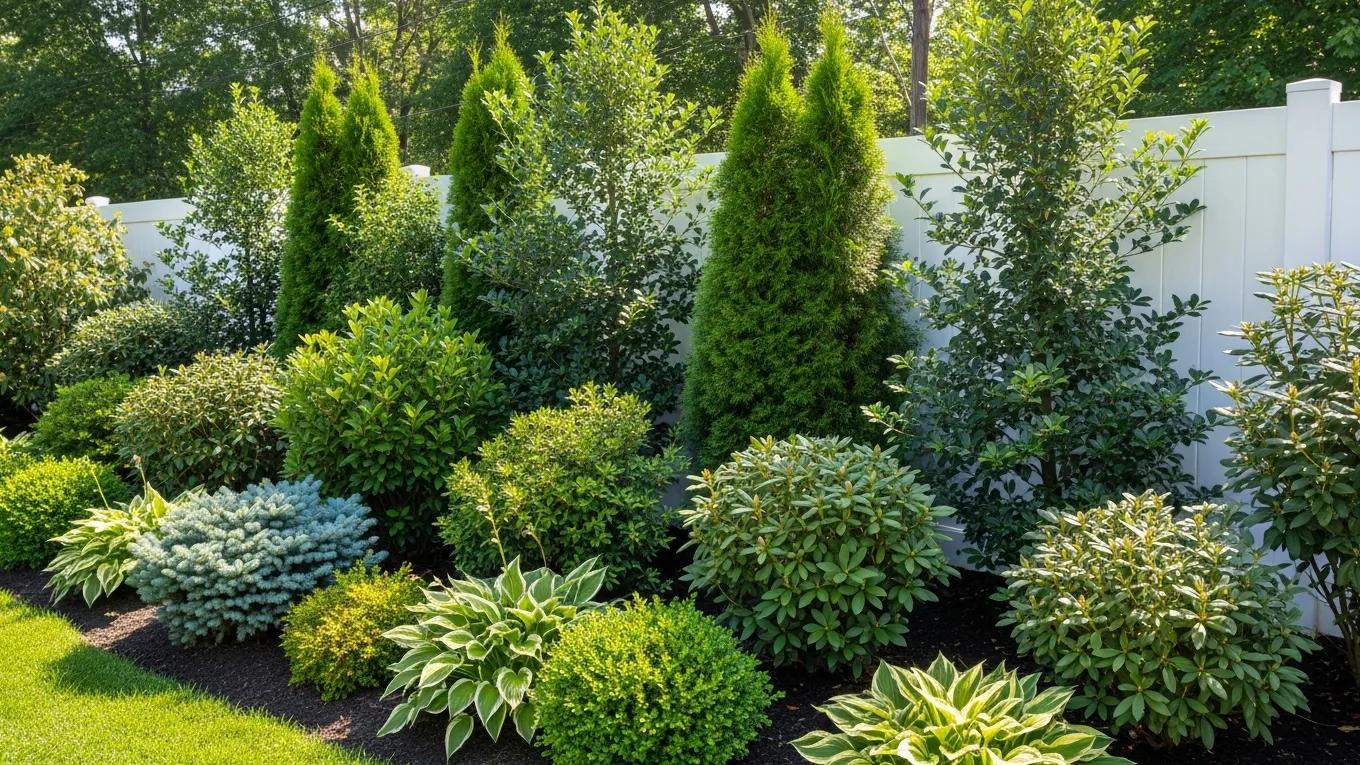
Landscaping can materially enhance the noise-reduction performance of vinyl privacy fences. Strategic placement of vegetation creates supplementary absorptive layers and visual screening. Dense plantings, such as evergreen trees and shrubs, help attenuate roadway or neighbour noise while contributing to an ordered and calming landscape composition.
Which Plants and Landscaping Techniques Complement Noise Blocking Fences?
Certain planting selections and design approaches effectively complement noise-blocking fences:
- Evergreen Trees: Provide year-round coverage and sound absorption.
- Dense Shrubs: Create a thick barrier that helps to muffle noise.
- Layered Planting: Using a variety of plant heights can enhance sound absorption and visual appeal.
These strategies not only improve acoustic performance but also enhance the visual quality and cohesion of the landscape.
How Does Combining Landscaping with Fencing Improve Outdoor Privacy?
Combining landscaping with a solid fence significantly enhances outdoor privacy. Vegetation provides an additional visual screen that obscures sightlines, while the fence defines a secure boundary. The combined approach yields a more secluded outdoor area and can soften the fence’s appearance to better integrate with the property.
What Maintenance Practices Ensure Longevity and Noise Reduction of Vinyl Fences?
To preserve the longevity and acoustic properties of vinyl fencing, owners should follow these maintenance practices:
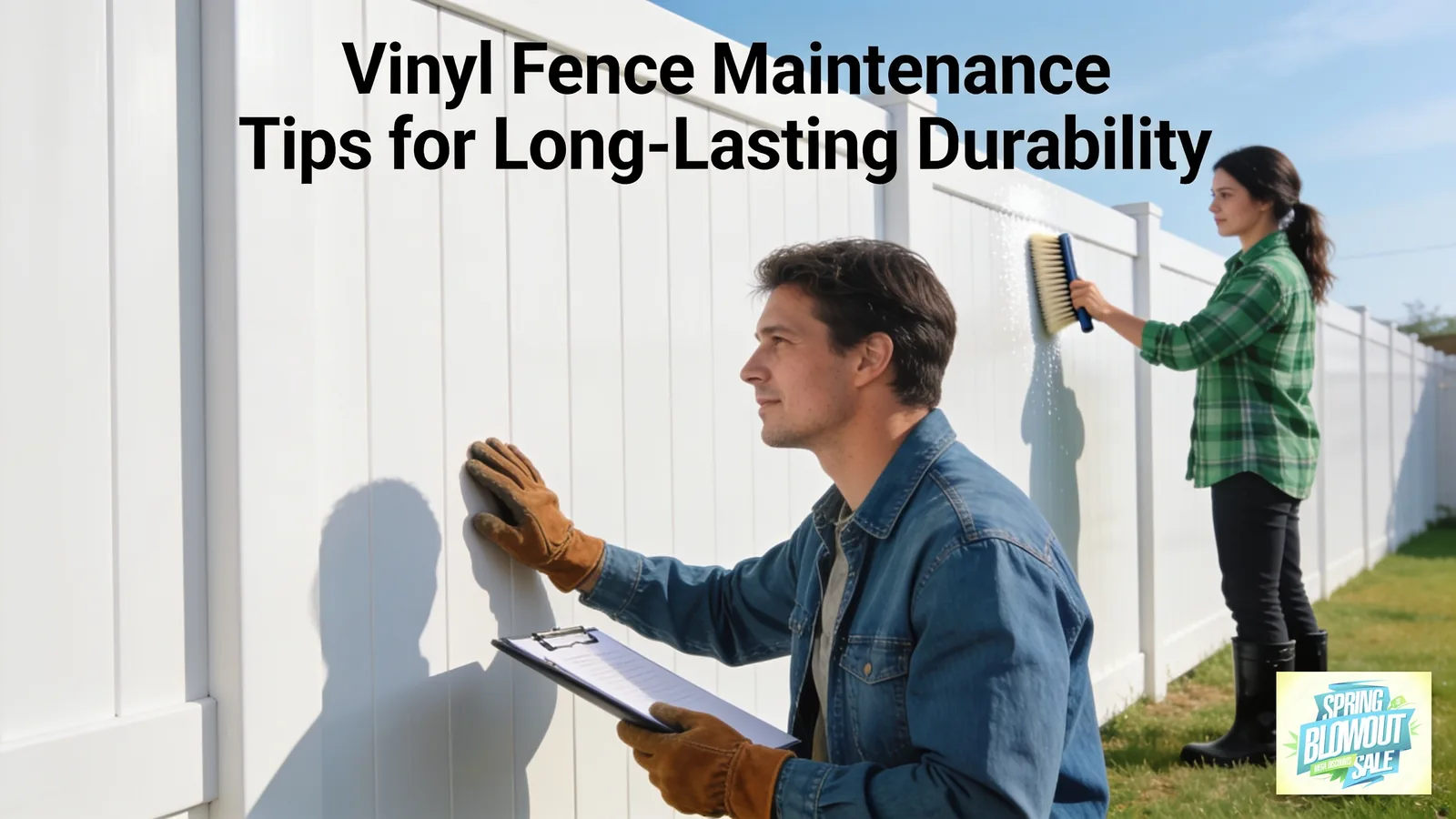
- Regular Cleaning: Clean the fence periodically to remove dirt and debris that can affect its appearance and performance.
- Inspect for Damage: Regularly check for any signs of wear or damage, especially after severe weather.
- Avoid Harsh Chemicals: Use gentle cleaning solutions to prevent damage to the vinyl material.
Consistent application of these maintenance steps helps ensure the fence remains effective and visually presentable for an extended service life.
How Often Should Vinyl Fences Be Maintained to Retain Soundproof Qualities?
Vinyl fences should undergo maintenance at least annually to preserve their acoustic attributes. Routine inspections and cleaning allow early detection of issues before they affect performance. Owners should also perform targeted checks after major storms or extreme weather events to confirm the fence remains in optimal condition.
What Are Common Maintenance Challenges and Solutions for Vinyl Privacy Fences?
Common maintenance issues for vinyl privacy fences include the following and their recommended remedies:
- Stains: Use a mixture of soap and water to clean stains effectively.
- Cracks: Inspect for cracks and repair them promptly to prevent further damage.
- Discoloration: Regular cleaning can help prevent discoloration from dirt and debris.
Addressing these items proactively preserves both function and appearance, reducing the likelihood of more extensive repairs.
Vinyl privacy fences combine effective noise reduction with enhanced outdoor privacy, making them a suitable option for property owners seeking a quieter, more private exterior space. Their durability and low maintenance requirements support sustained performance and aesthetic retention over time. By investing in a vinyl fence, homeowners can create a tranquil outdoor environment aligned with their lifestyle. Discover our range of vinyl fencing solutions today to elevate your outdoor space.