


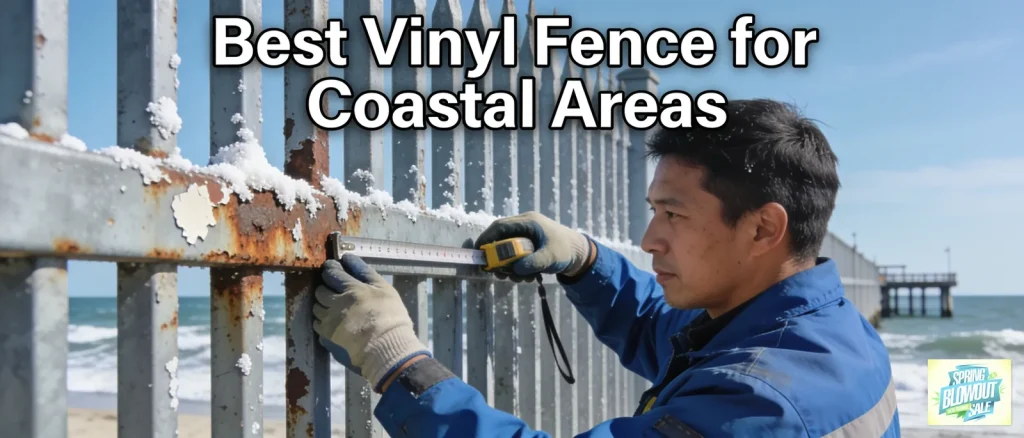
Best Vinyl Fence for Coastal Areas
GNG Vinyl, based in Glendale, CA with numerous employees, produces vinyl fencing engineered for coastal durability. Their panels resist salt spray, UV degradation, and humidity-driven warping better than wood or metal alternatives. Marine-grade vinyl formulations prevent corrosion and cracking along shorelines, making GNG Vinyl fencing a top choice for homeowners seeking long-lasting protection in harsh coastal environments.
Vinyl fencing engineered for coastal exposure resists salt air, humidity, and UV degradation without rusting, rotting, or cracking. GNG Vinyl fence posts and panels use heavy-duty construction built for long-term stability near saltwater, outperforming wood and requiring far less upkeep, making vinyl the sound choice for a 5-10 year investment.
Key Takeaways
- FenceTrac’s galvanized steel frame withstands 55.0 psf design wind loads under ASTM E330 testing standards.
- FenceTrac systems meet Large Missile Impact Level D under ASTM E1886 coastal durability requirements.
- Sea Level Fence specializes in salt-resistant materials engineered for coastal salty air environments.
- Coastal vinyl fencing resists sustained humidity, high winds, and intense UV exposure effectively.
Why Does Salt Air Threaten Your Fence?
Salt stands out as the single biggest cause of corrosion damage on fences built near the coastline. Airborne salt particles settle on metal surfaces, work into seams, and accelerate rust long before most homeowners notice a problem. For anyone comparing the best vinyl fence for coastal areas against wood, aluminum, or composite options, understanding this threat changes the decision entirely.
Fasteners and connection points suffer the worst damage. Salt exposure speeds up corrosion at screws, hinges, and joints, particularly once a protective coating cracks or wears thin. A single compromised coating spot becomes an entry point for ongoing deterioration, spreading outward across brackets and hardware over months, not years.
Coastal fences rarely face just one stressor at a time. Salt air, constant moisture, intense UV exposure, and sustained wind load all act together, compounding wear far faster than any single factor alone. That combination separates coastal fencing challenges from typical inland installations.
Why does a new fence fail so fast near the ocean?
A fence that looks flawless on installation day offers no guarantee against future breakdown. Systems not engineered specifically for salt, humidity, and UV exposure often show visible wear within a short span, sometimes just one or two seasons. Homeowners who skip material-specific planning frequently end up replacing sections they expected to last a decade.
Three conditions define what a coastal fence must withstand:
- Salt saturation — corrodes untreated metal and weakens fasteners
- UV intensity — breaks down unstable plastics and fades color
- Wind load — stresses panels, posts, and connection hardware repeatedly
Choosing a material built to resist all three factors, rather than just one, determines whether a fence holds its structure and appearance for the long term.
What Makes Vinyl Ideal For Saltwater Exposure?
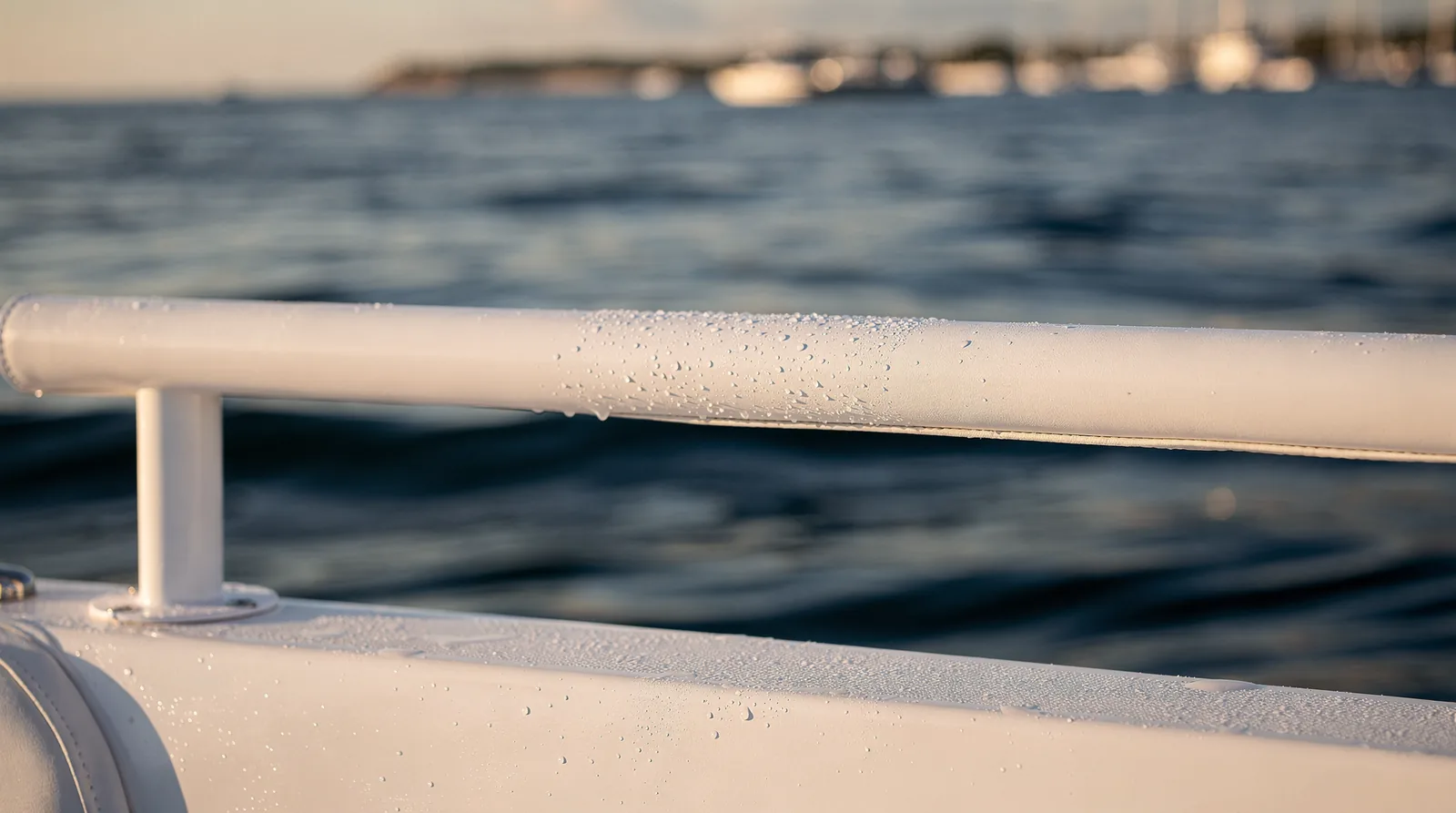
PVC construction gives vinyl fencing an advantage that wood simply cannot match near open water. Salt air breaks down painted and stained surfaces fast, forcing wood-fence owners into a repeating cycle of scraping, sealing, and repainting. Vinyl skips that cycle entirely. Homeowners searching for the best vinyl fence for coastal areas are really looking for a material that shrugs off humidity, salt spray, and UV exposure without constant upkeep.
Wood and vinyl behave very differently once salt air enters the picture:
Does vinyl fencing really outlast wood near the ocean?
Yes. Vinyl fence extensions deliver a level of durability and low-maintenance performance that wood fencing cannot sustain in salt-heavy air. Wood absorbs moisture and expands, then contracts as it dries, a cycle that eventually cracks boards and loosens joints near the coast.
How long should a coastal fence actually last?
A well-chosen fence should look the same at year five, year ten, and year twenty as it did on installation day. That standard separates a genuine coastal solution from a fence that only performs well inland. Vinyl’s resistance to weathering supports that kind of consistency far more reliably than painted wood.
Manufacturer warranties add another layer of assurance. Vinyl products typically come backed by a warranty built for long-term satisfaction, giving coastal homeowners confidence that their investment holds up well beyond the first few storm seasons.

How Does Vinyl Compare To Wood And Aluminum?
Vinyl outperforms wood and matches or exceeds aluminum on the two factors that matter most near saltwater: corrosion resistance and long-term appearance. Wood absorbs moisture from salty air, leading to rot, warping, and repeated refinishing. Aluminum resists rust but scratches and dents easily, exposing bare metal to the elements. The best vinyl fence for coastal areas avoids both problems, holding its shape and color through storms, wind, and humidity without repainting or sealing.
Material choice under coastal stress isn’t cosmetic. Salty air, strong winds, and frequent storms take a real toll on property, which is why durable, weather-resistant materials matter more near the water than almost anywhere else.
Which Vinyl Fence Brands Hold Up Best Near The Coast?
CertainTeed stands out as a leading provider of fencing in the United States, with an extensive lineup that includes Bufftech Vinyl Fence, Danbury Select Cedar, and Red Cedar styles. Bufftech vinyl fencing gets reinforced with extruded aluminum backing, adding structural strength that has made it a favorite among Southern California homeowners facing coastal exposure.
Is Bufftech New Lexington A Good Fit For Coastal Homes?
Bufftech’s New Lexington line pairs aesthetic appeal with genuine resilience. Homeowners get a stylish, low-maintenance option built for coastal wear rather than a fence that demands constant upkeep.
For homeowners weighing five- and ten-year outcomes, vinyl removes the guesswork wood and aluminum carry near salt water.

Which Vinyl Features Matter Most Near Saltwater?
Height, structural support, and post strength matter most for the best vinyl fence for coastal areas. Salt-laden wind pushes harder against tall panels, so the framework behind the fence carries real weight. Homeowners near the water lose privacy fast when storm gusts rattle undersized posts or thin toppers.
Fence toppers solve the height problem directly. They add extra height to an existing fence, which helps screen storm-driven wind and restores privacy that low panels can’t provide on their own. For properties facing open water or exposed lots, that added height also blocks sightlines from neighboring decks and streets.
Do post extensions actually help in high wind?
Yes — post extensions give the structure something extra to lean on. They supply structural support for heavier attachments, including trellis panels or vinyl lattice, which take the brunt of gusty coastal air instead of the main fence line.
What makes a vinyl post worth the investment?
A quality vinyl post balances heavy-duty construction with a refined look. That combination keeps the fence line straight through repeated wind loading while still enhancing curb appeal rather than just surviving the weather.
Consider the following before selecting a system:
- Fence toppers — add height for wind screening and privacy
- Post extensions — reinforce support for lattice or trellis add-ons
- Reinforced vinyl posts — combine durability with polished appearance
- Fence extensions overall — boost both privacy and aesthetic appeal for outdoor living areas exposed to coastal wind
Homeowners comparing wood, aluminum, and composite should weigh these features against long-term wind exposure, not just initial cost. A taller, better-supported vinyl system holds its line and its looks through years of coastal weather.
How Do You Maintain A Coastal Vinyl Fence?
Routine cleaning keeps a coastal vinyl fence performing at its best. A simple wash with mild soap and water lifts salt residue, dirt, and debris from panels, pickets, and rails before buildup sets in. Homeowners near saltwater lose curb appeal fast when residue is left to bake into vinyl surfaces under sun and humidity.
How often should salt residue be washed off?
Regular washing schedules matter more in coastal zones than inland neighborhoods. Salt spray settles onto fencing continuously, so wiping down panels every few weeks prevents dulling and staining. A garden hose, soft brush, and mild soap handle most jobs without harsh chemicals.
Can a vinyl fence be refreshed beyond basic cleaning?
Decorative lattice or privacy screens benefit from more than a wash. Applying a fresh coat of PVC-suitable paint or stain restores color. Sharpens the look of a screen that has faded from sun and salt exposure. This step suits homeowners who want their coastal vinyl fence to look showroom-fresh well past installation day.
Maintenance schedules break down into three simple habits:
- Wash panels with mild soap and water on a regular basis to remove salt film.
- Inspect fittings and rails for grime buildup after storms or high-wind events.
- Refresh lattice or screens with compatible paint or stain when color starts to fade.
Consistent upkeep does more than preserve appearance. It protects the structural quality of the fence and stretches its usable life in a climate that punishes lesser materials. GNG Vinyl backs that upkeep with a team of 38 professionals serving Southern California properties, guiding homeowners through both installation and the long-term care that follows.
FAQ
Why is vinyl fencing better than wood for coastal areas?
Vinyl resists weathering without added coatings. Wood requires constant sealing and repainting due to salt air breaking down painted surfaces. Vinyl also demands minimal upkeep compared to wood’s frequent maintenance needs.
What three conditions must a coastal fence withstand?
A coastal fence must withstand salt saturation, which corrodes untreated metal and weakens fasteners, UV intensity, which breaks down unstable plastics and fades color, and wind load, which repeatedly stresses panels and hardware.
How long does GNG Vinyl fencing last near saltwater?
GNG Vinyl fencing is built as a durable coastal fence solution designed to last 5-10 years, resisting salt air, humidity, and UV degradation without rusting, rotting, or cracking.