



Vinyl Fencing vs. Wood Fence Maintenance: Which Requires Less Upkeep for Lasting Durability?
Selecting the appropriate fencing material affects more than appearance; maintenance obligations determine long-term performance and total cost of ownership. This guide compares vinyl and wood fencing, focusing on upkeep, benefits, and specific care practices.
Property owners often weigh how each material endures weather, pests, and routine wear while minimizing maintenance effort. The information below outlines care requirements, long-term considerations, and common challenges, and explains why vinyl fencing can be the more durable choice for Southern California.
Maintenance Requirements:
Understanding each material’s maintenance profile helps inform a reliable selection. Vinyl and wood both have advantages, but they differ markedly in the frequency and type of upkeep required.
Vinyl Fencing:
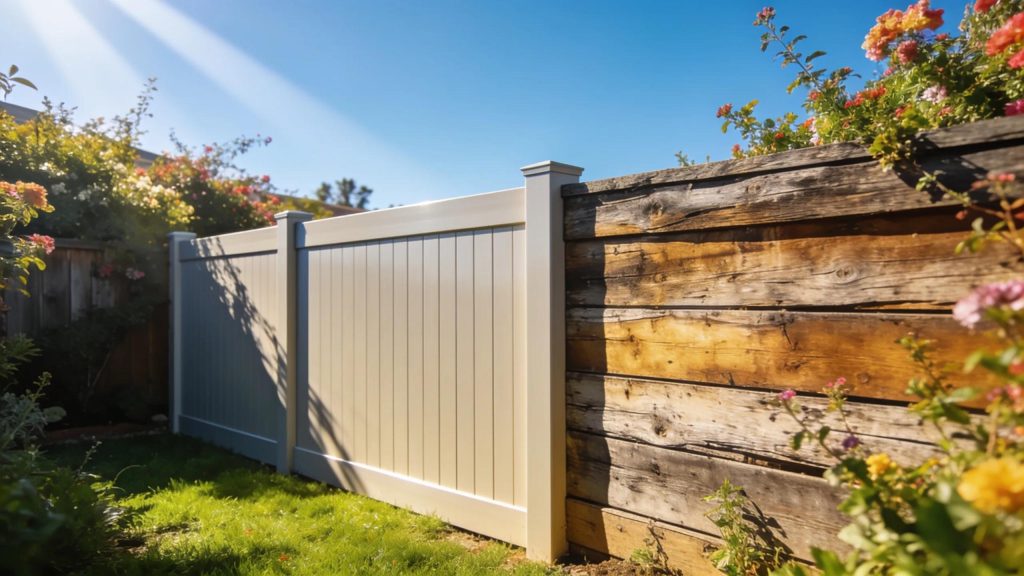
Vinyl is engineered for low maintenance. It resists fading, staining, and mold, and typically requires only washing with soap and water once or twice per year. With an expected service life of 20 to 30 years, vinyl preserves appearance and function with minimal intervention.
Wood Fencing:
Wood requires consistent attention to prevent deterioration. Regular staining, sealing, or painting is necessary to guard against rot, insect damage, and weathering. A typical wood fence lasts about 10 to 15 years, but cumulative maintenance and occasional repairs increase ongoing costs and labour.
Key Long-Term Care Considerations:
Correct maintenance extends the service life of both materials, though the tasks and timelines differ. Understanding these distinctions supports a well-informed investment decision.
Vinyl Fencing:
Vinyl care consists of periodic inspections for impact damage and routine cleaning to remove dirt and debris. It does not require staining or sealing, reinforcing its status as a low-maintenance fencing option and freeing owners from regular surface treatments.
Wood Fencing:
Wood demands regular inspections for moisture intrusion and pest activity, plus scheduled sanding, staining, or painting to maintain structural integrity and appearance. Failure to perform these tasks accelerates wear, increases repair needs, and shortens usable life.
What Are the Key Maintenance Requirements for Vinyl Fencing?

Maintaining vinyl is straightforward: wash with mild soap and water and inspect periodically for cracks or loose components. These limited tasks align with vinyl’s long lifespan and support reliable, low-effort ownership.
What Advantages Does Vinyl Offer in Weather and Pest Resistance?
Vinyl performs strongly against weather and pests because it does not absorb moisture and is not attractive to termites or rodents. Its synthetic composition reduces the risk of rot and mould compared with natural wood. For homeowners in areas with these challenges, including many parts of Southern California, vinyl delivers long-term resilience and lower maintenance demands.
What Maintenance Challenges Are Common with Wood Fences?
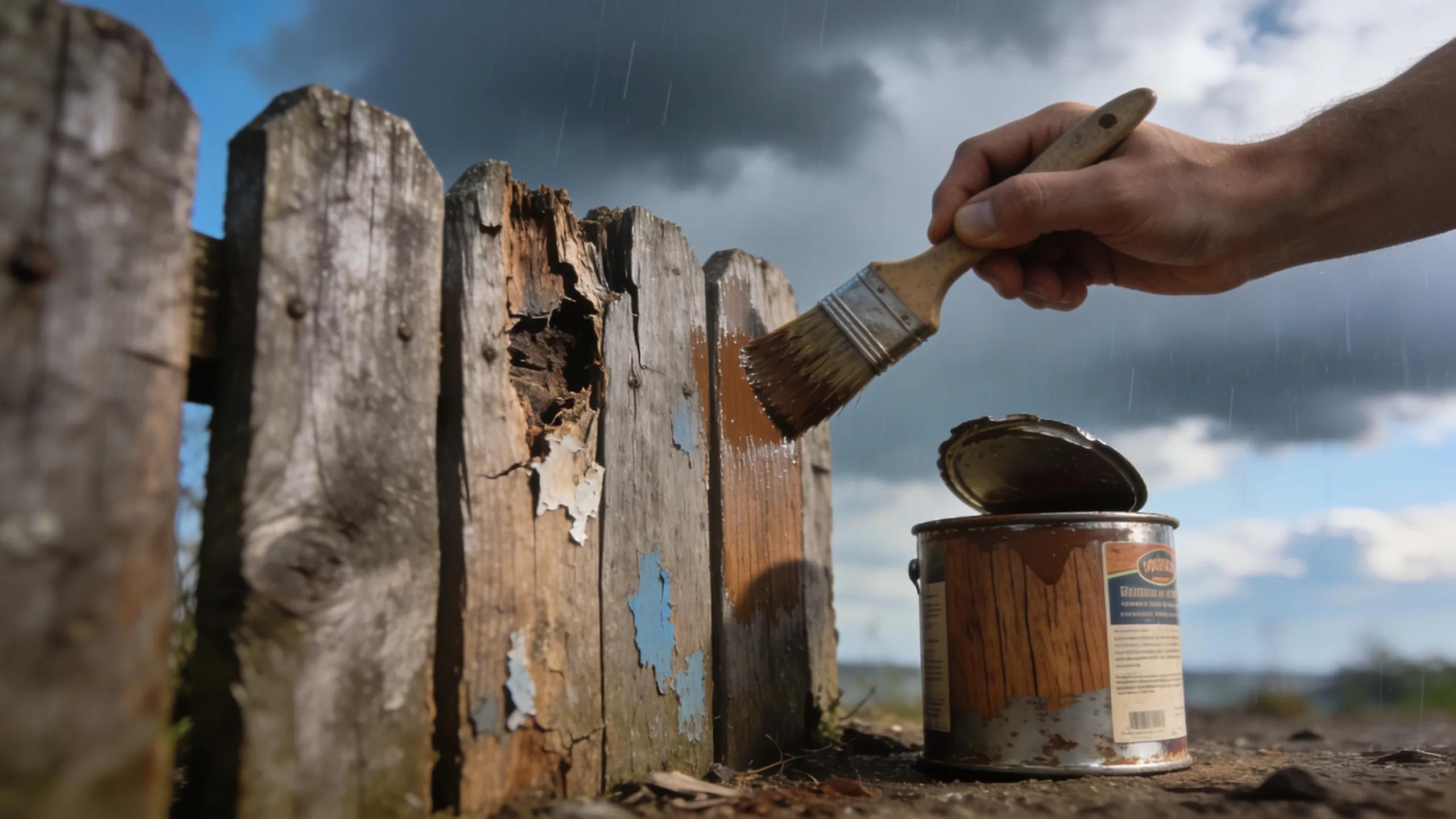
Wood is vulnerable to rot, splitting, and insect damage because of its organic nature. Weather exposure can cause warping and cracking. These issues require ongoing attention and can lead to significant repair expenses if neglected.
How Do Vinyl and Wood Fences Compare in Maintenance Time, Cost, and Lifespan?
The differences in time, cost, and lifespan are substantial. Vinyl typically needs far less maintenance, saving both labour and money relative to wood’s recurring treatment and repair cycle. The table below summarises this comparison.
This analysis underscores that, while vinyl can carry a higher initial cost, its reduced upkeep and extended lifespan typically produce lower total costs over time.
How Does Long-Term Cost Impact Fence Choice Between Vinyl and Wood?
Evaluating long-term expenses is essential. Initial savings on wood can be offset by recurring sealing, staining, and repairs. Vinyl’s higher upfront expense is balanced by lower maintenance outlays and fewer replacements over the fence’s useful life.
How Does Southern California’s Climate Influence Fence Maintenance Needs?
Southern California’s climate—characterised by strong sun exposure and varying humidity—places specific demands on fencing materials. Vinyl’s resistance to UV degradation and moisture makes it better suited to withstand local conditions with less frequent maintenance than wood.
Why Is Vinyl Fencing Better Suited to Southern California Weather?
Vinyl provides UV-stabilised formulations that resist fading and materials that resist warping in humid or sun-exposed environments. These properties reduce repair frequency and replacement needs, making vinyl a cost-effective option for sun-intense regions.
Why Choose GNG Vinyl for Durable, Low Maintenance Fence Solutions?
GNG Vinyl specialises in professional vinyl installations designed for the demands of Southern California, including Los Angeles County. We combine technical expertise with customer-focused service to deliver durable fences that require minimal maintenance and provide long-term value.
How Can Customers Access Free Consultation for Tailored Vinyl Fence Options?
Prospective customers may request a complimentary consultation by calling (323) 543-7577 or emailing reception@gngvinyl.com. Our team will assess your requirements and recommend vinyl solutions that meet your functional and aesthetic needs.
Choosing the appropriate fence material yields measurable long-term benefits in maintenance, durability, and cost. Vinyl stands out for low upkeep and extended service life, allowing property owners to preserve value while minimising routine work. Invest in quality vinyl solutions to achieve a resilient fence suited to Southern California’s conditions, and contact our team to review options tailored to your property.