




Vinyl Fencing Installation Costs Compared to Wood: Comprehensive Cost, Maintenance, and Durability Analysis
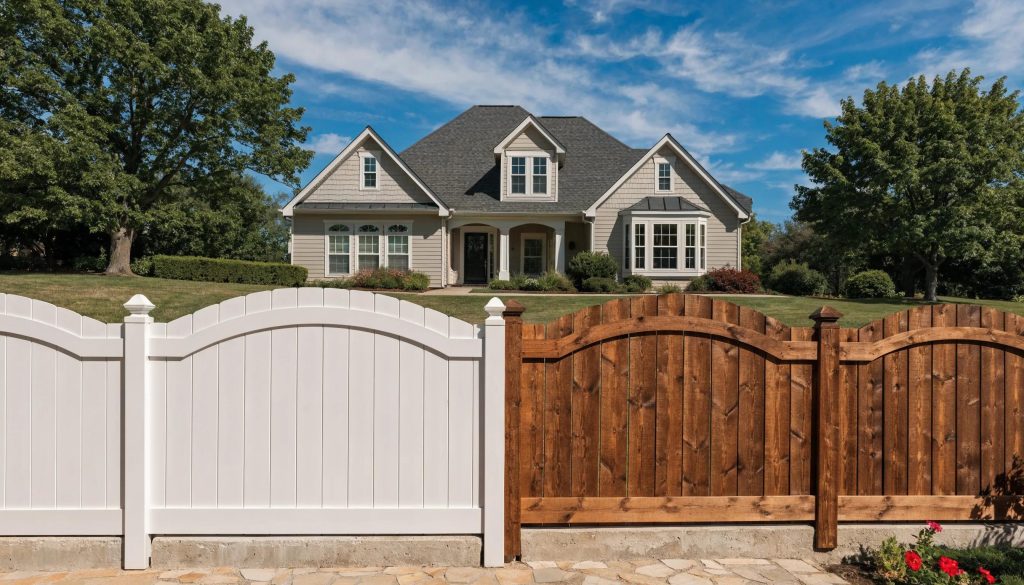
Selecting a high-quality fence is a key component of property management that extends beyond appearance. Property owners and commercial clients commonly compare vinyl and wood fencing—two widely chosen solutions with distinct advantages and considerations. This article compares installation costs, maintenance demands, and durability to support an informed selection for your property.
Comparing vinyl installation costs with wood clarifies the long-term investment impact and helps to balance initial expenditure against future savings. The following sections examine installation pricing, ongoing maintenance obligations, and serviceable life for each material, providing property owners with practical information to choose the most suitable option.
Cost Comparisons
When comparing vinyl and wood fencing costs, consider both initial outlay and lifetime financial impact. Vinyl typically has higher upfront prices, approximately $25 to $40 per linear foot, while wood commonly ranges from $15 to $30 per linear foot. Style, height and installation complexity are primary drivers of these ranges.
Accounting for these variables clarifies potential long-term savings, since vinyl usually demands less upkeep and endures longer. The table below summarises these cost differentials:
In summary, although vinyl often requires a larger initial investment, its reduced maintenance requirements and greater longevity can produce lower total cost of ownership over time.
Maintenance Requirements
Maintenance considerations are central when choosing between vinyl and wood fencing. Vinyl is valued for its low upkeep; routine cleaning with mild detergent and water typically preserves its appearance. By contrast, wood requires periodic staining, sealing and repairs, which increase long-term maintenance commitments.
Homeowners should budget for ongoing upkeep rather than only the initial installation. Regular wood treatments may cost between $100 and $300 per year, depending on fence size and local labour and materials pricing.
Typical Vinyl Fence Maintenance Tasks
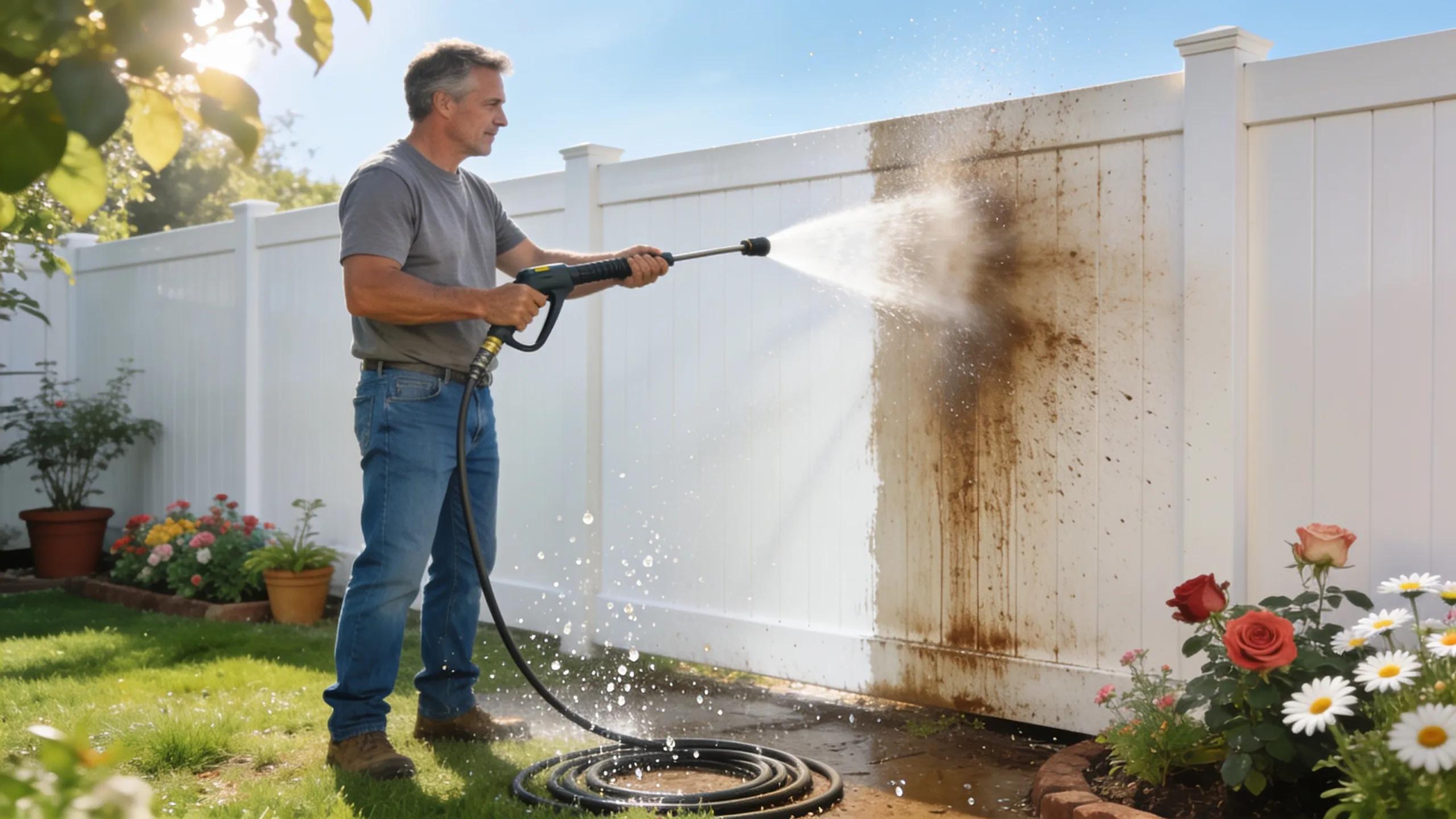
- Cleaning: Swiping down the panels with soap and water biannually.
- Inspections: Regularly checking for wear or damage after severe weather incidents.
- Replacements: Occasional replacement of damaged fence sections, which is less common compared to wood.
Wood Fence Maintenance Tasks
- Staining: Reapplying stain or sealant every 1-3 years to protect from moisture and UV damage.
- Repairs: Fixing or replacing boards that have rotted or warped.
- Cleaning: Power washing is needed periodically to remove mildew or dirt build-up.
Overall, vinyl requires substantially less routine attention, whereas wood necessitates more frequent and intensive maintenance efforts and associated expenses.
Durability Factors
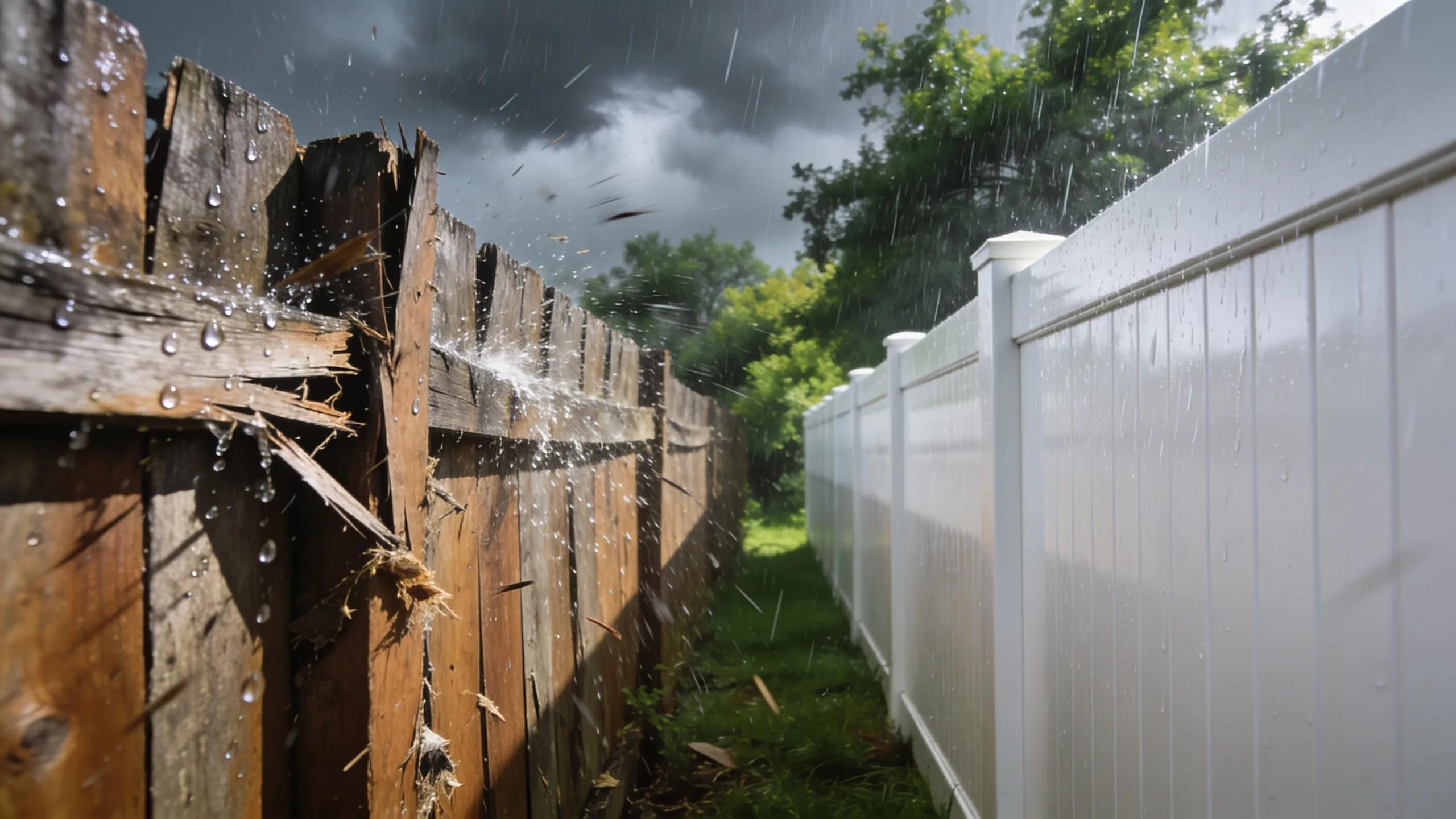
Durability is a critical factor for long-term investment planning. Vinyl resists rot, rust and pest damage that commonly affect wood, and is designed to endure exposure to the elements. Typical service life for vinyl ranges from 20 to 30 years, while wood often requires replacement within 10 to 15 years.
Expected Lifespan Comparison
Lifespan influences immediate costs and ongoing property value. Vinyl’s UV-stabilised formulations help retain colour and structural integrity, reducing the need for repairs. Wood’s vulnerability to weathering increases maintenance demands and can accelerate decline without regular protective treatments.
Environmental Factors Affecting Fencing Durability
Local environmental conditions materially affect the longevity of both materials. Vinyl is largely impervious to termites and rot, whereas wood is susceptible to insect infestation and moisture-related decay. Exposure to rain, snow and sunlight accelerates wood deterioration and increases the frequency and cost of treatments and repairs.
What Are the Initial Installation Costs of Vinyl Fencing Versus Wood Fencing?
Initial installation costs for vinyl generally exceed those for wood. As noted, vinyl typically falls between $25 and $40 per linear foot, while wood is commonly priced between $15 and $30 per linear foot. More elaborate vinyl designs or custom work can increase the upper end of the vinyl range.
Factors that influence the final price include:
- Height: Taller fences require more materials and labor.
- Style: Certain styles, such as privacy fences, consume more materials.
- Labor Costs: Complex installation can increase professional labor costs.
How Do Maintenance Costs and Requirements Differ Between Vinyl and Wood Fencing?
Maintenance strategies differ substantially between vinyl and wood and yield divergent lifetime costs. Vinyl’s minimal routine care contrasts with wood’s need for repeated treatments, creating a notable gap in total maintenance expenditure over the fence’s service life.
For accurate budgeting, homeowners should plan for wood maintenance costs in the range of $100 to $300 annually, as this figure reflects common treatment and labour expenses.
What Are the Typical Vinyl Fence Maintenance Costs Over Time?
Long-term maintenance costs for vinyl are considerably lower than for wood. With primarily periodic cleaning required, the principal financial commitment is the initial purchase and installation rather than frequent upkeep.
Common Vinyl Maintenance Expenses
- Pressure Washing: Typically $50 – $100 annually.
- Replacement Costs: Sections might need replacing occasionally, less common than wood.
Why Does Wood Fencing Require Higher Upkeep and Costs?
Wood fences incur higher maintenance because of inherent material vulnerabilities. Key contributors to increased upkeep include:
- Susceptibility to Rot: Wood generally absorbs moisture, leading to potential rot.
- Pest Damage: Various insects can deteriorate wood structures over time.
These vulnerabilities necessitate regular protective treatments and repairs, which can accumulate into material costs and labour over time.
What Are the Durability and Lifespan Differences Between Vinyl and Wood Fencing?
Durability and expected service life are central to the selection process. Vinyl typically outlasts wood because its material properties resist warping, moisture and decay, resulting in fewer replacements and lower lifecycle costs.
Lifespan Insights
- Vinyl: 20-30 years lifespan with minimal maintenance.
- Wood: Usually 10-15 years lifespan, requiring significant maintenance.
How Long Does Vinyl Fencing Last Compared to Wood?
In direct comparison, vinyl offers a significant advantage in longevity. Vinyl structures commonly maintain functionality and appearance for decades, whereas wood is more quickly affected by environmental stressors and maintenance needs.
What Environmental Factors Affect Vinyl and Wood Fencing Durability?
Environmental exposure significantly shapes fencing performance. Vinyl is manufactured to withstand harsh weather conditions, while wood must be protected from moisture, UV exposure and pests. Evaluating local climate and site conditions informs the most suitable material choice.
What Is the Typical Installation Process and Timeline for Vinyl Fencing?
Vinyl installation varies by project but follows standard, methodical steps. Site lines are established, posts are positioned and secured, and panels are attached. Specific vinyl fencing products may require specialised techniques due to their construction.
Key Steps in Vinyl Fence Installation
- Planning: Determining fence layout and acquiring necessary permits.
- Post Installation: Setting posts in concrete for stability.
- Panel Attachments: Connecting the panels to the posts.
Expected Timeline for Installation
Most vinyl fence installations are completed within several days. Site conditions, terrain and design complexity will influence the exact schedule.
How Does Installation Duration Compare Between Vinyl and Wood Fences?
Installation times differ notably. Vinyl typically installs faster due to modular components and simpler assembly, while wood requires more on-site cutting, fitting and potential treatment, which extends labour time.
What Do Customer Testimonials and Case Studies Reveal About Vinyl Fencing Installation?
Customer feedback consistently emphasises satisfaction with vinyl for its low-maintenance profile and durable performance. Many property owners report positive outcomes regarding longevity and visual appeal when compared with wood alternatives.
Common Themes in Vinyl Fence Project Success
Clients frequently note that vinyl fencing contributes lasting value to their properties and resists weather-related damage. Testimonials commonly highlight reduced maintenance obligations as a primary advantage, reinforcing vinyl as a prudent long-term investment.
How Can Customers Request a Free Consultation or Quote for Vinyl Fence Installation?
Requesting a consultation or a detailed quote is straightforward with a reputable installer; providers deliver tailored guidance based on site specifics and client preferences.
You can call (310) 773-0275 or email reception@gngvinyl.com for information on free consultations or quotes. Providing property measurements and preferred fence style will assist in producing an accurate estimate.
What Information Is Needed to Obtain an Accurate Vinyl Fencing Quote?
To obtain an accurate quote, supply clear details on the project scope, including:
- Measurements: Accurate dimensions of the area requiring fencing.
- Material Preferences: Desired styles and types of fencing.
- Timeframe for Completion: Project urgency and availability considerations.
What Are the Benefits of Professional Vinyl Fence Installation Services?
Engaging professional installers delivers measurable advantages over a DIY approach. Trained teams apply industry standards and best practices to ensure a durable, well-executed installation.
- Expertise: Experienced installers navigate potential challenges effectively.
- Time Efficiency: Professionals complete installations promptly.
- Long-Term Durability: Proper installation aligns components correctly for longevity.
Select experienced providers, such as GNG Vinyl, to ensure a streamlined installation and a durable, attractive fence that meets your property requirements.
Comparing vinyl and wood fencing demonstrates that vinyl delivers long-term economic advantages through lower maintenance demands and superior durability. Property owners benefit from reduced upkeep, sustained visual appeal and a solution that supports property value. For bespoke guidance and options suited to your site, contact our team to arrange a consultation.