




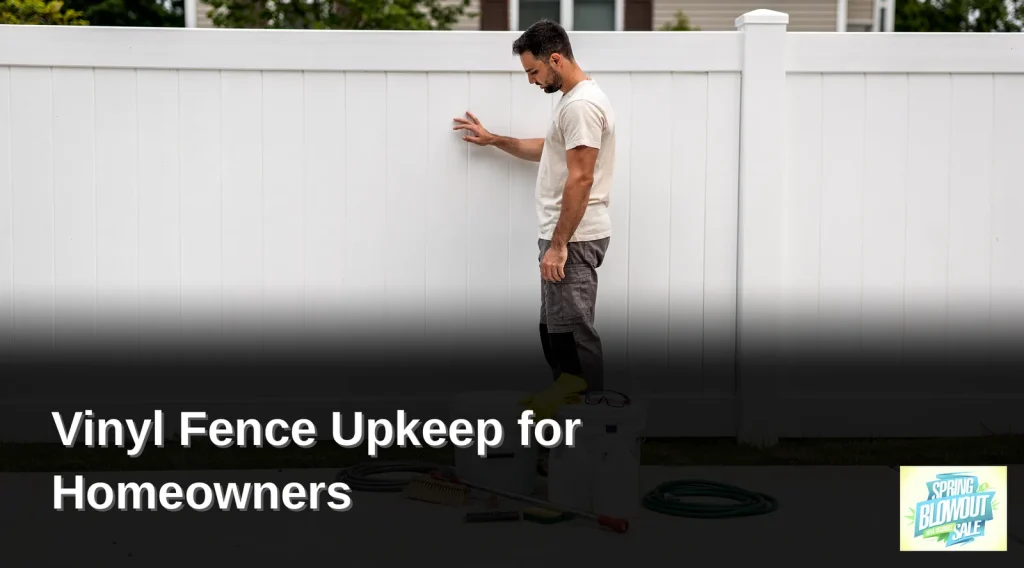
Vinyl Fence Upkeep for Homeowners: Essential Tips
Vinyl fence upkeep requires periodic hosing to remove dirt before it hardens into stains. A mild cleaning solution lifts mold and mildew buildup from panels and posts. Routine washing preserves the surface finish and prevents discoloration, helping fencing last decades with minimal effort. GNG Vinyl designs and installs low-maintenance fencing, along with vinyl decks, built for lasting curb appeal.
Key Takeaways
Vinyl fences resist rot and rust, eliminating the need for regular painting or staining like wood fences require.
Regular cleaning prevents mold and mildew buildup, extending your fence’s lifespan and maintaining its appearance.
GNG Vinyl, located in Glendale, CA, employs 38 specialists in vinyl fencing solutions and maintenance.
Vinyl fences demand minimal upkeep compared to traditional wood alternatives, though they still require periodic cleaning.
Vinyl fences resist rot and rust, eliminating the need for regular painting or staining like wood fences require.
Regular cleaning prevents mold and mildew buildup, extending your fence’s lifespan and maintaining its appearance.
GNG Vinyl, located in Glendale, CA, employs 38 specialists in vinyl fencing solutions and maintenance.
Vinyl fences demand minimal upkeep compared to traditional wood alternatives, though they still require periodic cleaning.
What Do You Need Before Cleaning Your Vinyl Fence?
A short supply list and a quick fence inspection prepare any homeowner for a successful cleaning session. Vinyl’s resistance to rot and rust means far less scraping or corrosion removal than wood or metal fencing demands. Prep work stays minimal. That advantage saves time, but a few materials still belong on hand before the hose comes out.
Gather these items first:
A garden hose with adjustable spray nozzle
A soft-bristle brush or non-abrasive sponge
A mild soap or dish detergent diluted in water
A stain-specific vinyl cleaning product for tough spots
Old towels or rags for wiping down hardware
A garden hose with adjustable spray nozzle
A soft-bristle brush or non-abrasive sponge
A mild soap or dish detergent diluted in water
A stain-specific vinyl cleaning product for tough spots
Old towels or rags for wiping down hardware
Most routine grime lifts with soap, water, and a soft brush. Stubborn stains — rust streaks, mildew patches, or marker residue — resist that basic combination. Keeping a dedicated vinyl cleaner in the shed avoids a mid-project store run. Protects the fence surface from harsher, unproven household chemicals.
What Cleaning Supplies Work Best for Vinyl Fencing?
Mild soap and water handle everyday dust and pollen buildup without damaging the vinyl finish. For marks that linger after a standard wash, a vinyl fence upkeep for homeowners routine calls for a targeted stain remover formulated specifically for vinyl surfaces.
Should Homeowners Inspect the Fence Before Cleaning?
Yes. A brief walk-through catches loose panels, cracked caps, or hardware issues before water and soap are applied. GNG Vinyl’s in-house design and installation team fields these questions directly, drawing on more than 20 years stocking and installing vinyl and aluminum fencing to guide homeowners toward the right prep steps for lasting results.

How Do You Clean a Vinyl Fence Step by Step?
A clean vinyl fence starts with a consistent rinse-and-scrub routine that clears dirt before it hardens into stains. Skipping regular washes lets mold and mildew take hold, dulling panels and shortening the fresh, like-new appearance homeowners expect. Property managers who build cleaning into a seasonal routine protect their investment and sidestep costly restoration work down the road.
Effective Vinyl Fence Upkeep for Homeowners follows a simple, repeatable sequence:
Rinse the entire fence line with a garden hose to loosen loose dirt and pollen.
Mix a mild soap solution and apply it with a soft-bristle brush, working section by section.
Scrub gently along the grain of each panel, paying extra attention to corners and post bases where grime collects.
Rinse the soap away completely before it dries and leaves streaks.
Let the fence air-dry and inspect panels for spots that need a second pass.
Rinse the entire fence line with a garden hose to loosen loose dirt and pollen.
Mix a mild soap solution and apply it with a soft-bristle brush, working section by section.
Scrub gently along the grain of each panel, paying extra attention to corners and post bases where grime collects.
Rinse the soap away completely before it dries and leaves streaks.
Let the fence air-dry and inspect panels for spots that need a second pass.
Washing away dirt on a regular basis stops mold and mildew from building up, which is what keeps a vinyl fence looking new for years rather than months.
How Often Should Vinyl Fencing Be Washed?
Most homeowners get the best results with a seasonal wash, though shaded or moisture-prone sections may need attention more frequently. Waiting too long between cleanings allows organic buildup to set into the surface, making stains harder to remove.
Does Local Climate Change the Cleaning Schedule?
Climate conditions shape how often a fence needs washing. GNG Vinyl’s crews work daily with the specific weather patterns of Glendale, CA. That firsthand exposure to Southern California conditions informs the cleaning timelines the team recommends to clients. With a staff of 38, GNG Vinyl offers homeowners practical, hands-on maintenance guidance that extends well beyond the original installation visit.

When Should You Inspect and Repair Your Fence?
Regular inspection determines whether a vinyl fence reaches its full potential lifespan. Left unmaintained, a vinyl fence still holds up better than wood or metal, but proper care extends that lifespan to 20 to 30 years, sometimes beyond. A low-maintenance reputation doesn’t eliminate the need for periodic checkups. Reaching the fence’s full lifespan still requires thoughtful attention from the property owner.
Vinyl fence upkeep for homeowners starts with a simple walk-through of the property. Panels, posts, and gates should get a visual once-over to catch small problems early, before they turn into structural repairs. The following checklist covers the essentials:
Walk the fence line and look for cracks, warping, or discoloration on each panel.
Test posts by gently pushing to check for looseness or shifting in the ground.
Open and close gates to confirm hinges and latches move freely.
Check for staining near the base where soil, mulch, or plant matter contacts the vinyl.
Note any damage immediately rather than waiting for the next seasonal check.
Walk the fence line and look for cracks, warping, or discoloration on each panel.
Test posts by gently pushing to check for looseness or shifting in the ground.
Open and close gates to confirm hinges and latches move freely.
Check for staining near the base where soil, mulch, or plant matter contacts the vinyl.
Note any damage immediately rather than waiting for the next seasonal check.
How Often Should a Vinyl Fence Be Inspected?
Vinyl fencing rewards consistent attention over occasional deep cleaning. A quick visual inspection during regular yard maintenance catches wear long before it threatens the fence’s structure or appearance.
Who Should Repair a Damaged Vinyl Fence Panel?
Professional installers bring an advantage homeowners can’t replicate with DIY fixes alone. GNG Vinyl’s in-house contractors handle repairs directly, skipping the delays and miscommunication that come with outsourcing the work to a third party. Two decades of hands-on installation experience train the team to spot early wear signs, stopping minor issues before they become costly, full-panel replacements.
How Can You Protect Your Fence From Weather Damage?
Weather resistance comes built into vinyl fencing rather than added on afterward. Wood fences demand a seasonal cycle of painting, staining, and sealing just to survive sun and rain. Vinyl skips that cycle entirely. That single difference removes an entire category of weatherproofing labor that wood fence owners never escape.
Homeowners still play a role in keeping panels weather-ready, even without paint or sealant involved. Vinyl fence upkeep for homeowners centers on prevention rather than repair. Minor issues caught early rarely become costly problems later. GNG Vinyl selects fencing products built to raise curb appeal. Support the quality of outdoor life Southern California homeowners expect from their property.
Does Vinyl Fencing Handle Sun and Wind Well?
Vinyl panels resist the cracking and warping that sun exposure causes in painted wood surfaces. Southern California’s combination of intense sun, wind, and seasonal moisture puts real stress on outdoor materials year-round. GNG Vinyl’s team of 38 employees installs fencing designed with those specific conditions in mind, positioning panels and posts to withstand local weather patterns rather than merely survive them.
Homeowners can take a few simple steps to reinforce that built-in durability:
Inspect posts and panels after major storms for shifting or loosening.
Clear debris and standing water from the fence base to prevent moisture buildup.
Check gate hardware seasonally, since wind stress loosens hinges over time.
Inspect posts and panels after major storms for shifting or loosening.
Clear debris and standing water from the fence base to prevent moisture buildup.
Check gate hardware seasonally, since wind stress loosens hinges over time.
Why Does Installation Experience Matter for Weather Performance?
Fence performance in harsh weather often traces back to how the fence was installed, not just the material itself. GNG Vinyl brings more than 20 years of experience stocking and installing vinyl. Aluminum products, knowledge that shapes which styles hold up best against local conditions. That track record informs every installation decision, from panel spacing to post depth.
What Maintenance Mistakes Should Homeowners Avoid?
Assuming a vinyl fence never needs attention ranks as the single biggest error homeowners make. Low maintenance does not mean zero maintenance; these fences are not set-it-and-forget-it projects. Skipping basic care leads to buildup and avoidable damage. Vinyl Fence Upkeep for Homeowners starts with recognizing that “low” is not “none.”
Why Do Homeowners Skip Fence Maintenance?
Many property owners buy vinyl specifically to escape the labor of wood fencing, then carry that expectation too far. Once installed, the fence gets treated as permanent background scenery rather than a feature that benefits from periodic checks.
Common mistakes include:
Ignoring the fence for years without a single inspection or cleaning.
Skipping small repairs until panels crack or posts shift.
Assuming a professional installer’s job ends at setup.
Ignoring the fence for years without a single inspection or cleaning.
Skipping small repairs until panels crack or posts shift.
Assuming a professional installer’s job ends at setup.
GNG Vinyl operates as both a design shop and fence contractor, with every team member working in-house. That structure allows staff to walk homeowners through these avoidable mistakes before minor issues become costly repairs. Because the company is based in Glendale, CA, homeowners get direct, local guidance instead of generic national advice pulled from unrelated climates.
Does Location Affect Maintenance Advice?
Regional conditions change how often a fence needs attention. Local contractors understand Glendale-area weather patterns. Can tailor upkeep recommendations accordingly, rather than offering one-size-fits-all instructions that ignore where the fence actually stands.