




Vinyl Fence Maintenance Tips: Vinyl Fencing, Patio Covers
Vinyl fencing lasts 20 to 30 years, sometimes longer, when homeowners follow simple upkeep routines. Regular washing with mild soap and water prevents dirt buildup and staining. Seasonal inspections catch loose posts or panel damage early. GNG Vinyl’s reinforced posts and panels resist warping, making routine cleaning and periodic checks the primary maintenance tasks required for lasting durability.
Key Takeaways
- Vinyl fences last 20-30 years or longer with proper maintenance and care.
- Regular cleaning preserves appearance and prevents dirt buildup on vinyl surfaces.
- Vinyl fencing requires minimal maintenance compared to wood or metal alternatives.
- Inspect fences annually for damage and address issues promptly to extend lifespan.
What Do You Need Before You Start?
Four items make up the core toolkit for effective vinyl fence maintenance tips: a mild dish soap solution, a soft-bristle brush, a garden hose, and a stepladder for taller panels. Skipping proper preparation shortens the payoff of a fence engineered for decades of service. Vinyl fencing ranks among the most durable fencing materials on the market. That engineering only delivers its full 20-to-30-year lifespan when basic upkeep happens on schedule.
Gathering supplies beforehand also prevents scratches and streaking that come from improvised cleaning tools. Wire brushes, abrasive pads, and harsh solvents strip the protective sheen off vinyl panels and should stay in the shed. GNG Vinyl, headquartered in Glendale, CA, has watched countless fences age poorly simply because homeowners reached for the wrong cleaning products.
Does a New Vinyl Fence Need Different Supplies Than an Older One?
New installations generally need nothing beyond soap, water, and a soft brush during the first year. Older fencing exposed to years of dirt buildup sometimes benefits from a garden hose attachment with moderate pressure to loosen grime before scrubbing.
Before starting any cleaning session, homeowners should assemble the following:
- Bucket with warm water and mild dish soap
- Soft-bristle brush or non-abrasive sponge
- Garden hose with adjustable nozzle
- Stepladder for panels above shoulder height
- Microfiber cloth for spot-drying hardware
Having these items on hand turns routine care into a quick, damage-free task rather than a repair project.
How Do You Clean Your Vinyl Fence?
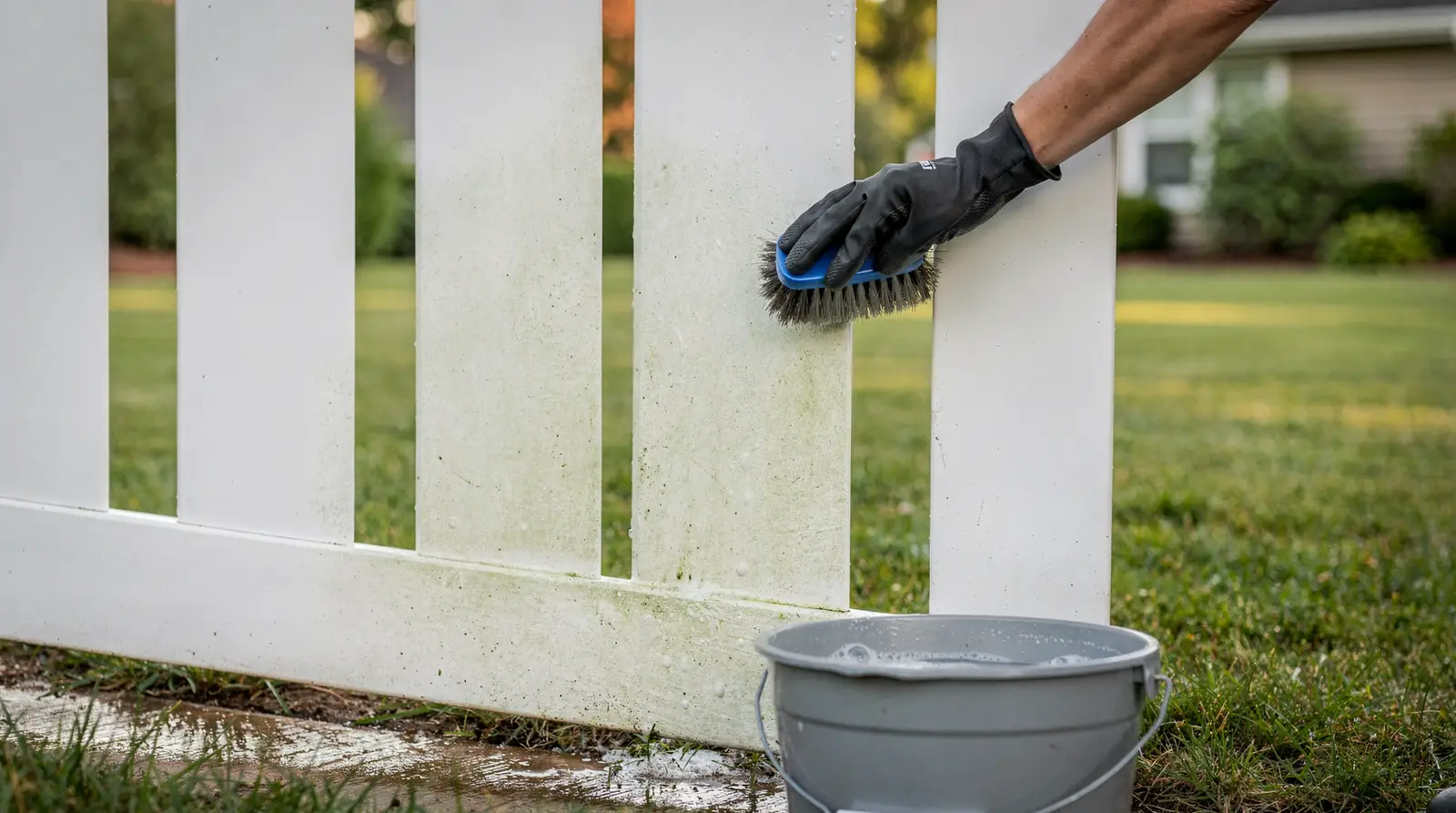
Mild soap and water remove dirt and debris from vinyl panels, grooved pickets, and bottom rails without damaging the surface. Homeowners lose curb appeal fast when grime builds up unchecked, dulling the bright finish a vinyl fence is known for. The most reliable vinyl fence maintenance tips center on one principle: thorough cleaning comes before any other care step, including refinishing or repair work.
A clean surface reveals hairline cracks, loose hardware, or discoloration that dirt would otherwise hide. Skipping this stage risks masking problems until they grow costly. The process itself takes little effort and requires no specialized equipment.
Follow these steps to clean a vinyl fence properly:
- Rinse the entire fence line with a garden hose to loosen surface dirt.
- Mix mild soap with water in a bucket.
- Scrub panels, pickets, and the bottom rail with a soft-bristle brush.
- Rinse thoroughly to remove all soap residue.
- Inspect the cleaned surface for stains, cracks, or loose sections.
What Causes Green Stains at the Base of a Vinyl Fence?
Routine lawn care is usually the culprit. Grass clippings and shavings scatter across the fence during mowing and trimming. When left in place, they leave green stains along the base. Regular rinsing after yard work prevents this buildup from setting into the vinyl surface. Addressing clippings promptly keeps the lower panels looking as fresh as the rest of the fence.
Consistency matters more than intensity. A quick rinse after each mowing session, paired with a full soap-and-water cleaning a few times per season, keeps vinyl fencing bright without heavy scrubbing. Neglecting this rhythm allows dirt, pollen, and clippings to accumulate, making eventual cleanup far more labor-intensive. Homeowners who build cleaning into their regular lawn care routine protect both the appearance and the long-term value of their fence investment.
How Do You Inspect And Repair Damage?
Regular inspections catch small problems before they become expensive ones. Homeowners who follow proper Vinyl Fence Maintenance Tips pair routine cleaning with scheduled checks. Prompt repairs, a combination that extends structural integrity and preserves appearance for decades. Skipping this step allows minor cracks or loose posts to worsen with each season’s temperature swings.
What Should Homeowners Look For During An Inspection?
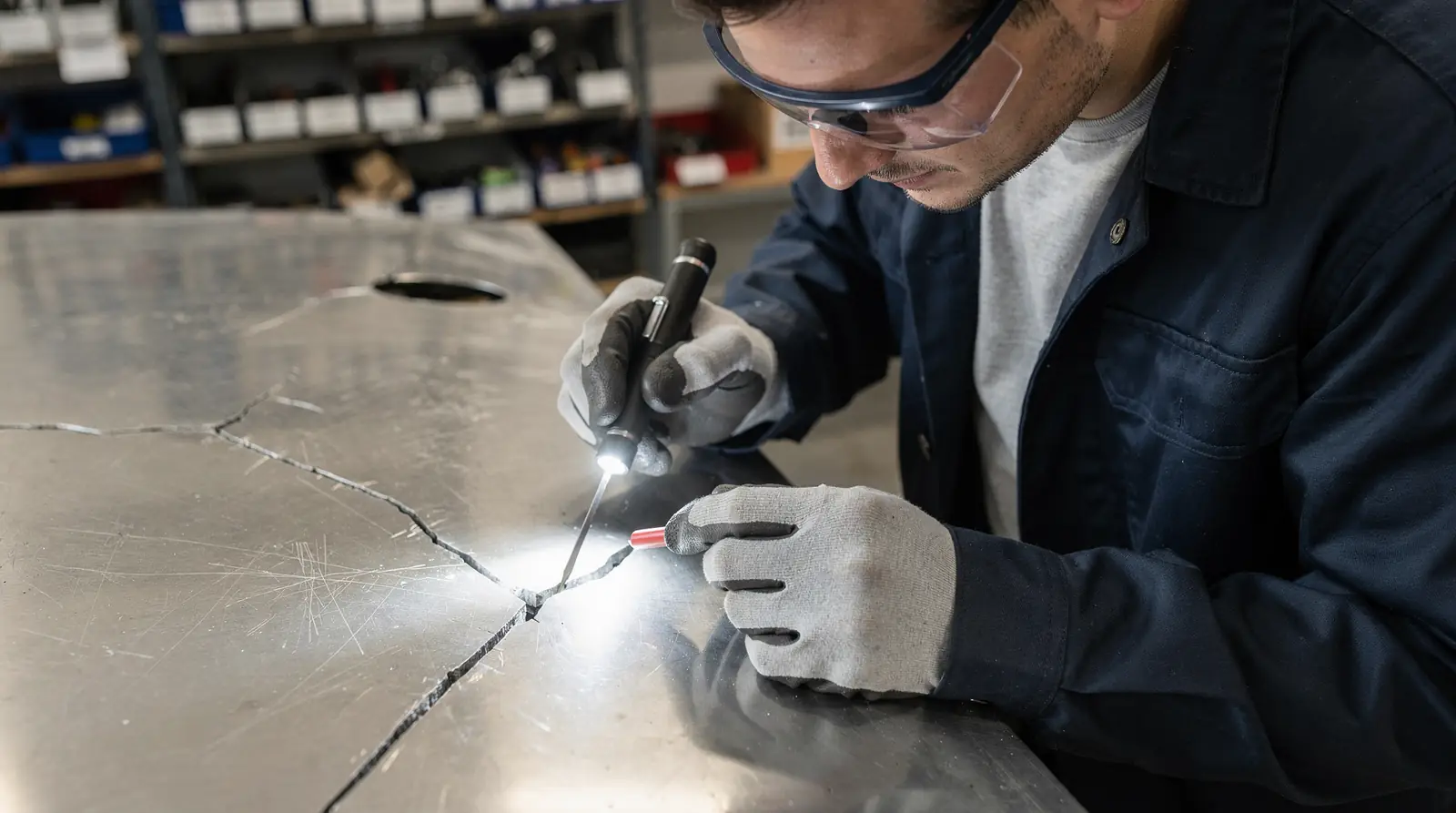
Two weaknesses deserve the closest attention: fading caused by sun exposure and cracking triggered by cold weather. Panels exposed to direct sunlight for years can lose color intensity. Freezing temperatures make vinyl more brittle and prone to splitting under stress. Walk the fence line each season and check panels, posts, and rails for discoloration, hairline cracks, or gaps at the joints.
How Are Repairs Handled Once Damage Is Found?
Follow these steps once damage appears:
- Identify the damaged section — isolate the cracked panel, faded area, or loose post.
- Assess whether the post itself is compromised, since structural posts bear the most stress.
- Replace weakened posts with heavy-duty vinyl fence posts engineered to reinforce existing structures during repair work.
- Reinstall or upgrade panels as needed, matching them to the original fence design.
- Confirm the repaired section meets manufacturer warranty terms, since quality vinyl products carry a warranty that supports long-term satisfaction after repair or upgrade.
Posts built for new installations also work well for reinforcing older fences, giving homeowners a reliable path to restore stability without replacing the entire fence line. Choosing warrantied materials during repairs protects that investment well beyond the initial installation.
How Do You Add Privacy And Style?
Homeowners raise fence height and security simultaneously by installing a privacy fence topper onto an existing vinyl fence. This upgrade adds a layer of protection without requiring a full fence replacement, giving properties a taller, more finished look. Lattice panels and privacy screens offer another route, transforming a standard yard into a more intimate outdoor setting.
What’s the best way to add a fence topper or lattice panel?
- Measure the current fence height and confirm the topper or panel style matches the existing post spacing.
- Select between a solid privacy topper for maximum screening or a lattice panel for filtered light and airflow.
- Attach the topper or panel securely to the existing posts, following manufacturer hardware guidelines.
- Inspect the connection points seasonally to confirm the addition remains firmly fastened.
Refreshing a lattice vinyl fence with paint or stain does more than sharpen curb appeal. This step protects the material and extends how long the fence performs well, making it part of routine upkeep rather than a cosmetic afterthought.
Which fence style holds up best for style-conscious homeowners?
Fence styles reinforced with extruded aluminum backing have become a leading upgrade choice across Southern California. This reinforcement gives panels added rigidity while preserving the clean, uniform look homeowners expect from vinyl fencing.
Consider these style upgrades side by side:
Each option lets homeowners tailor privacy, security, and appearance without sacrificing the low-maintenance advantages vinyl fencing already delivers.
What Mistakes Shorten Your Fence’s Lifespan?
Neglect causes the most damage to vinyl fencing over time. Homeowners often assume vinyl needs zero attention, but that mindset creates the biggest risk to a fence’s longevity. Vinyl fencing carries far lower upkeep demands than wood. Reaching its full potential lifespan still calls for thoughtful, ongoing vinyl fence maintenance tips applied consistently.
Skipping care entirely can prevent a fence from ever reaching the 20 to 30 year lifespan vinyl is built to deliver. Panels left uncleaned accumulate grime that weakens the surface finish over years of exposure. Small hardware issues, like loose posts or shifted panels, worsen when left unaddressed.
Does painting a vinyl fence shorten its life?
Painting or sealing vinyl fencing introduces problems the material was designed to avoid. Wood fences demand repeated painting and sealing cycles just to survive normal weather exposure. Vinyl skips that maintenance burden entirely. Applying paint or sealant only traps moisture and accelerates deterioration instead of preventing it.
Is professional installation worth it for fence longevity?
Improper installation ranks among the costliest mistakes homeowners make. An experienced, in-house team of 38 professionals helps avoid the errors that lead to premature wear, from misaligned posts to poor drainage planning.
Common mistakes that cut a fence’s lifespan short include:
- Ignoring buildup instead of routine cleaning
- Painting or sealing panels unnecessarily
- Delaying repairs on loose hardware
- Choosing inexperienced installers over trained professionals
Avoiding these missteps keeps a vinyl fence performing at its best for decades.