




Vinyl Fence Advantages Every Homeowner Should Know: Comprehensive Benefits and Installation Insights
Vinyl fencing has become a preferred choice among homeowners for its advantages over traditional materials. This article examines the principal benefits—durability, low maintenance, and aesthetic versatility—and addresses common selection concerns related to longevity and upkeep. Vinyl provides a long-lasting, visually appealing solution that can enhance property value. The following sections review advantages, installation considerations, maintenance expectations, and comparisons with wood and metal to provide a comprehensive understanding of this option.
Advantages of Vinyl Fencing
Vinyl fencing offers a set of practical benefits that make it an appropriate option for many homeowners.
- Durability and Weather Resistance: Vinyl fences are designed to withstand harsh weather conditions, including heavy rain, snow, and intense sunlight. Unlike wood, which can warp or rot, vinyl maintains its structural integrity over time.
- Low Maintenance Requirements: One of the most significant benefits of vinyl fencing is its low maintenance nature. Homeowners do not need to worry about painting, staining, or sealing their fences, as vinyl is resistant to fading and discoloration.
- Aesthetic Versatility: Vinyl fencing comes in various styles and colors, allowing homeowners to choose options that complement their property’s design. Whether you prefer a classic white picket fence or a modern privacy fence, vinyl can meet your aesthetic needs.
GNG Vinyl specializes in high-quality vinyl fencing engineered for durability and visual enhancement, making it a suitable choice for homeowners seeking long-term outdoor solutions.
Installation Insights
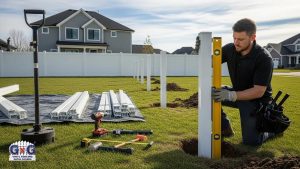
A clear understanding of the installation process is essential for homeowners considering vinyl fencing.
- Steps Involved in Installation: The installation process typically begins with planning and measuring the area where the fence will be placed. This is followed by preparing the ground, setting the posts, and attaching the panels.
- Professional vs DIY Installation: While some homeowners may opt for a DIY approach, hiring professionals can ensure a more efficient and accurate installation. Experienced contractors can navigate potential challenges and provide a finished product that meets local regulations.
- Importance of Hiring Experienced Contractors: Engaging skilled installers can save time and reduce the risk of errors, ensuring that the fence is installed correctly and securely.
Maintenance Requirements

Vinyl fencing requires minimal routine maintenance, which makes it well suited to homeowners with limited time for upkeep.
- Routine Care and Cleaning: To keep vinyl fences looking their best, occasional cleaning with soap and water is recommended. This simple task helps remove dirt and debris that may accumulate over time.
- Inspection for Wear and Damage: Regular inspections can help identify any potential issues, such as cracks or loose panels, allowing for timely repairs that can extend the fence’s lifespan.
- Longevity of Vinyl Fencing: With proper care, vinyl fences can last for decades, providing homeowners with a long-term fencing solution that requires little upkeep.
Comparisons with Wood and Metal Fencing
When considering fencing options, it is essential to compare vinyl directly with wood and metal alternatives to assess relative benefits.
- Durability Differences: Vinyl fencing is generally more durable than wood, which can be susceptible to rot and insect damage. Metal fencing, while strong, can rust over time if not properly maintained.
- Maintenance Needs Comparison: Vinyl requires significantly less maintenance than wood, which needs regular staining and sealing. Metal fences may require rust prevention treatments to maintain their appearance.
- Aesthetic Appeal Differences: Vinyl offers a wider range of colors and styles compared to wood and metal, allowing homeowners to customize their fencing to match their property’s aesthetic.
What Makes Vinyl Fencing the Durable Choice for Southern California Homes?
Vinyl fencing is especially well suited to Southern California’s climate, which can be demanding on external materials.
Vinyl’s material properties—particularly its resistance to environmental stressors—derive from advances in polymer and composite material science.
UV-Blocking Polymers: Enhancing Material Stability for Fencing
Because ultraviolet (UV) irradiation has documented adverse effects on human health, material stability, and food preservation, substantial research has focused on the development of UV-blocking materials. This review summarises recent innovations in strategies and mechanisms for creating UV-blocking polymers and composites. It outlines basic models of UV-blocking composites, including formulations that incorporate organic, inorganic, or polymeric UV filters that provide strong UV scattering and absorption capability.
Ultraviolet-blocking polymers and composites: recent advances and future perspectives, 2024
- Resistance to Weather Conditions: Vinyl is engineered to resist the effects of UV rays, preventing fading and discoloration. This makes it an excellent choice for areas with intense sunlight.
- Longevity Compared to Wood and Metal: Vinyl fences can last significantly longer than wood, which may need replacement after a few years due to weather damage. Metal fences can also succumb to rust, while vinyl remains intact.
- Climate Resilience: The flexibility of vinyl allows it to withstand temperature fluctuations without cracking or breaking, making it a reliable choice for homeowners in Southern California.
How Does Vinyl Fence Resist Weather and UV Damage?
- Material Properties of PVC: Vinyl is made from polyvinyl chloride (PVC), a material known for its strength and durability. This composition allows vinyl fences to endure various weather conditions without deteriorating.
- UV Resistance Features: Many vinyl fences are treated with UV inhibitors that prevent fading and discoloration, ensuring that the fence maintains its original appearance for years.
- Durability Against Moisture and Pests: Unlike wood, vinyl does not absorb moisture, making it resistant to mold and mildew. Additionally, it is impervious to pests such as termites, which can damage wooden fences.
What Longevity Can Homeowners Expect from Vinyl Fences?
Homeowners can expect long service life from vinyl fencing, which supports its classification as a worthwhile investment.
- Typical Lifespan of Vinyl Fences: Vinyl fences can last 20 to 30 years or more with proper care, significantly outlasting wood and metal options.
- Factors Affecting Longevity: The lifespan of a vinyl fence can be influenced by factors such as installation quality, environmental conditions, and maintenance practices.
- Maintenance Tips for Extending Lifespan: Regular cleaning and inspections can help identify issues early, allowing homeowners to address them before they lead to more significant problems.
Why Is Vinyl Fence Considered a Low Maintenance Outdoor Fencing Option?
Vinyl fencing is widely regarded as a low-maintenance option, a characteristic that appeals to many homeowners.
- Comparison with Wood and Metal Maintenance: Unlike wood, which requires regular staining and sealing, vinyl only needs occasional cleaning. Metal fences may require rust treatment, adding to their maintenance burden.
- Ease of Cleaning: A simple wash with soap and water is usually sufficient to keep vinyl fences looking new, making it a hassle-free option for busy homeowners.
- Long-Term Cost Savings: The reduced maintenance needs of vinyl fencing can lead to significant cost savings over time, as homeowners spend less on repairs and upkeep.
How Does Vinyl Compare to Wood and Metal in Maintenance Needs?
When evaluating fencing options, understanding the maintenance requirements of vinyl relative to wood and metal is essential.
- Frequency of Maintenance Tasks: Vinyl requires minimal maintenance, while wood needs frequent staining and sealing. Metal may require rust prevention treatments, adding to the overall maintenance workload.
- Cost Implications of Maintenance: The lower maintenance needs of vinyl can translate to lower long-term costs, as homeowners spend less on materials and labor for upkeep.
- Durability Against Wear: Vinyl’s resistance to wear and tear means it can maintain its appearance and functionality longer than wood or metal, which may show signs of aging more quickly.
What Maintenance Tips Ensure Long-Term Vinyl Fence Performance?
To maximize the lifespan and performance of a vinyl fence, homeowners should adopt a few targeted maintenance practices.
- Regular Cleaning Methods: Using a mild soap solution and a soft brush can effectively remove dirt and grime from vinyl surfaces without damaging the material.
- Inspection Tips: Homeowners should regularly inspect their fences for any signs of damage, such as cracks or loose panels, to address issues promptly.
- Addressing Minor Issues: Taking care of minor repairs as they arise can prevent more significant problems down the line, ensuring the fence remains in good condition.
How Do Vinyl Fence Cost and Installation Processes Affect Homeowner Decisions?
Awareness of the costs and installation procedures associated with vinyl fencing can materially influence homeowner decisions.
- Initial Cost vs Long-Term Savings: While the upfront cost of vinyl fencing may be higher than wood, its durability and low maintenance needs can lead to significant savings over time.
- Installation Timelines: Professional installation of vinyl fencing typically takes less time than wood or metal, allowing homeowners to enjoy their new fence sooner.
- Value Considerations: The aesthetic appeal and longevity of vinyl fencing can enhance property value, making it a smart investment for homeowners.
What Are the Typical Costs Involved in Vinyl Fence Installation?
Homeowners should be informed of the typical costs associated with vinyl fence installation to plan budgets accurately.
- Cost Breakdown: The cost of vinyl fencing can vary based on factors such as height, style, and the complexity of the installation. On average, homeowners can expect to pay between $25 to $40 per linear foot.
- Factors Affecting Pricing: Additional costs may arise from site preparation, permits, and labor, which can influence the overall price of the project.
- Comparison with Other Materials: While vinyl may have a higher initial cost than wood, its longevity and low maintenance needs often make it more cost-effective in the long run.
What Steps Are Included in Professional Vinyl Fence Installation?
Familiarity with the steps used in professional vinyl fence installation helps homeowners prepare for the project and schedule accordingly.
- Site Assessment: A professional installer will assess the property to determine the best placement for the fence, taking into account local regulations and property lines.
- Installation Process: The installation typically involves setting posts, attaching panels, and ensuring that the fence is level and secure.
- Final Inspection: After installation, a final inspection ensures that the fence meets quality standards and is ready for use.
Which Style and Color Options Best Suit Southern California Homes?
Vinyl fencing provides a range of styles and color options that can enhance the appearance of Southern California residences.
- Popular Styles: Homeowners can choose from various styles, including privacy fences, picket fences, and ranch rail designs, each offering unique benefits.
- Color Choices: Vinyl fencing is available in multiple colors, allowing homeowners to select options that complement their home’s exterior.
- Aesthetic Considerations: The right style and color can significantly impact curb appeal and property value, making it essential for homeowners to choose wisely.
What Vinyl Fence Styles Enhance Residential and Commercial Properties?
Appropriate vinyl fence styles can add functional and aesthetic value to both residential and commercial properties.
- Residential vs Commercial Styles: Residential styles often focus on aesthetics and privacy, while commercial styles may prioritize security and durability.
- Impact on Property Value: A well-chosen fence style can enhance the overall appearance of a property, potentially increasing its market value.
- Customization Options: Many vinyl fencing options allow for customization, enabling homeowners to create a unique look that reflects their personal style.
How Do Color Choices Impact Aesthetic Appeal and Property Value?
Fence color can materially affect aesthetic appeal and may influence perceived property value.
- Color Psychology: Different colors can evoke various emotions and perceptions, making it essential for homeowners to choose colors that align with their desired aesthetic.
- Market Trends: Staying informed about current color trends can help homeowners select options that are popular and appealing to potential buyers.
- Curb Appeal Enhancement: A well-chosen color can enhance a property’s curb appeal, making it more attractive to visitors and potential buyers.
What Environmental and Sustainability Benefits Does Vinyl Fencing Offer?
Vinyl fencing offers several environmental and sustainability advantages that homeowners may consider.
- Recyclability: Many vinyl fences are made from recycled materials, contributing to a more sustainable building practice.
- Energy Efficiency: Vinyl fencing can help improve energy efficiency by providing insulation and reducing heat loss around a property.
- Reduction of Carbon Footprints: By choosing vinyl fencing, homeowners can contribute to reducing their carbon footprint, making it an eco-friendly choice.
How Does Vinyl Fence Contribute to Eco-Friendly Outdoor Solutions?
Vinyl fencing contributes to eco-friendly outdoor solutions through the use of recycled content, the reduced need for hazardous treatments, and its long service life.
- Use of Recycled Materials: Many vinyl products are manufactured using recycled materials, reducing waste and promoting sustainability.
- No Hazardous Chemicals: Unlike some wood treatments, vinyl does not require harmful chemicals, making it a safer choice for the environment.
- Long-Lasting Durability: The longevity of vinyl fencing means fewer replacements are needed, further reducing environmental impact over time.
What Are the Warranty and Longevity Guarantees Supporting Sustainability?
Homeowners can take advantage of warranties and guarantees that reinforce the sustainable value of vinyl fencing.
- Lifetime Warranty Details: Many vinyl fencing products come with a lifetime warranty, ensuring that homeowners are protected against defects and issues.
- Long-Term Value: The durability and low maintenance needs of vinyl fencing contribute to its long-term value, making it a wise investment for homeowners.
- Sustainability Impact: The combination of longevity and recyclability makes vinyl fencing a sustainable choice that aligns with eco-friendly practices.
Choosing vinyl fencing provides homeowners with superior durability, low maintenance, and design flexibility, making it a prudent investment to enhance property value. This guide summarizes the principal benefits and installation considerations to support informed decision-making. To review a range of high-quality vinyl fencing options tailored to specific needs, visit our website today. Embrace the long-term advantages of vinyl fencing and improve your outdoor space with confidence.
Call GNG Vinyl at (323) 543-7577 for a free quote or consultation. All products are made in the USA and backed by a lifetime warranty transferable to the next homeowner.