





Vinyl Fence Safety Standards Every Homeowner Should Know
Choosing a vinyl fence involves more than color and style. For homeowners planning an installation around a pool, play area, or within a homeowners association community, understanding the safety standards and code requirements that apply is essential before any materials are ordered or a contractor is hired. GNG Vinyl helps homeowners navigate these requirements so their new fence is both attractive and fully compliant.
Understanding ASTM Vinyl Fence Standards
Vinyl fencing sold in the United States is generally expected to meet ASTM International standards, which govern the material composition, structural performance, and safety of vinyl fence products. These standards confirm that panels, posts, and rails can withstand normal weather exposure and everyday use without becoming brittle, warping, or failing prematurely. When evaluating a vinyl fence, homeowners should ask their installer whether the product line is ASTM compliant, since this designation is a reliable indicator of manufacturing quality and long-term durability.
Vinyl Fence Pool Code Requirements
Pool areas carry some of the strictest fencing regulations of any residential application. Most local and state codes require a barrier around the pool that is difficult for young children to climb, with no horizontal rails or footholds on the pool side that could assist climbing. Vinyl fencing is a popular choice for pool enclosures because its smooth, flat panel design naturally limits climbable surfaces while still offering privacy and a finished look. Homeowners should confirm their specific pool code requirements with their local building department, as enforcement and exact specifications can vary by jurisdiction.
Vinyl Fence Height Requirements
Height requirements depend on the fence’s purpose and location. Pool barriers commonly must reach a minimum height, often 48 inches or more, to be considered an effective safety barrier, while general residential privacy fences may follow different front-yard and rear-yard height limits set by local zoning ordinances. Because these figures vary from one municipality to the next, homeowners should verify exact height requirements with their local permitting office before finalizing a fence design.
Self-Latching Gate Requirements
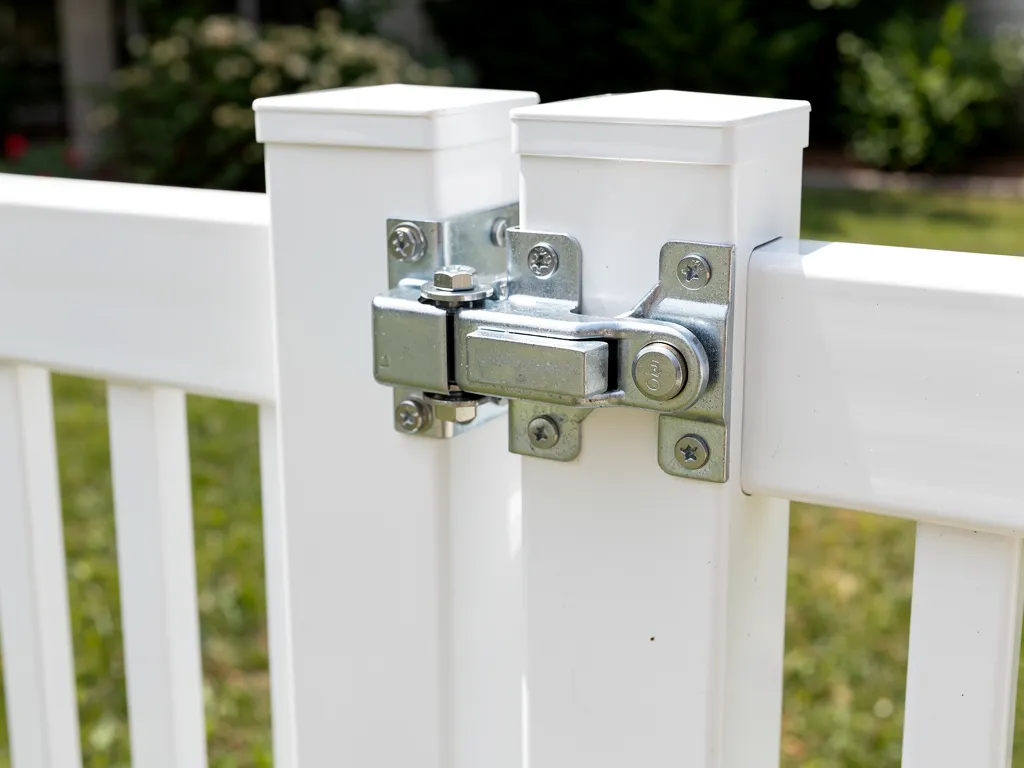
A pool or yard fence is only as safe as its gate. Most safety codes require gates to be self-closing and self-latching, with the latch mechanism positioned high enough that young children cannot easily reach it. Many jurisdictions also require the gate to swing outward, away from the pool or hazard area, so it cannot be propped open accidentally. Gng Vinyl fits vinyl gates with hardware designed to meet these self-latching requirements, giving homeowners confidence that their gate closes securely every time.
Child-Safe Fence Design
Beyond meeting minimum code requirements, thoughtful fence design adds another layer of protection for households with young children. Solid vinyl panels without horizontal rails, narrow gaps between pickets, and latches placed out of a child’s reach all contribute to a more secure barrier. Homeowners should discuss these design details with their installer, since small adjustments to panel style and gate hardware can meaningfully improve safety without compromising the fence’s appearance.
Vinyl Fence Wind Rating
Vinyl fences must also be engineered to withstand local wind conditions. A wind rating reflects how well a fence’s posts, panels, and footing depth are designed to resist wind load without leaning, cracking, or blowing over. Homeowners in regions prone to strong storms or coastal winds should ask their installer about the wind rating of the specific product line being installed and whether post spacing or footing depth needs to be adjusted for their property’s exposure.
Vinyl Fence Permit Requirements
Many municipalities require a permit before a new fence can be installed, particularly for pool enclosures or fences above a certain height. Permit review typically confirms that the planned fence meets local height, setback, and safety requirements before construction begins. Skipping this step can result in fines or a required teardown, so homeowners should check with their local building department early in the planning process. An experienced installer can help identify which permits apply to a given project.
HOA Vinyl Fence Rules
Homeowners in an HOA community should review their association’s architectural guidelines before selecting a fence style, color, or height. Many HOAs regulate fencing to maintain a consistent neighborhood appearance and may require design approval prior to installation, even when the fence otherwise meets local building codes. Submitting a proposal with product specifications and a site plan up front can help avoid delays once installation is scheduled.
Working With a Qualified Installer
Meeting every applicable standard, from ASTM material requirements to pool codes and HOA guidelines, is easier with an experienced installer who understands local regulations. Gng Vinyl works with homeowners throughout the process, from product selection through permitting and installation, to help ensure the finished fence is safe, compliant, and built to last.
Frequently Asked Questions
Does a vinyl fence around a pool need to meet special safety codes? Yes. Most jurisdictions require pool enclosures to meet specific height, gap, and gate-latching requirements that are stricter than standard residential fencing rules. Homeowners should confirm exact requirements with their local building department.
What does an ASTM-compliant vinyl fence mean for homeowners? It means the fencing material has been evaluated against recognized industry standards for structural performance and durability, giving homeowners a reliable indicator of quality before purchase.
Do all vinyl fence gates need to self-latch? Self-latching, self-closing gates are commonly required for pool barriers and are recommended for any fence enclosing a child or pet safety area, even where not strictly mandated by code.
Is a permit always required to install a vinyl fence? Not always, but many municipalities require a permit for fences above a certain height or for any pool enclosure. It’s best to check with the local building department before installation begins.
Can an HOA reject a vinyl fence that meets local building codes? Yes. HOAs can enforce additional design standards, such as approved colors or styles, even when a fence already satisfies city or county code. Homeowners should seek HOA approval before installation.
For guidance on vinyl fence safety standards, permits, or HOA-compliant designs, homeowners can reach GNG Vinyl at (323) 543-7577 or reception@gngvinyl.com.