


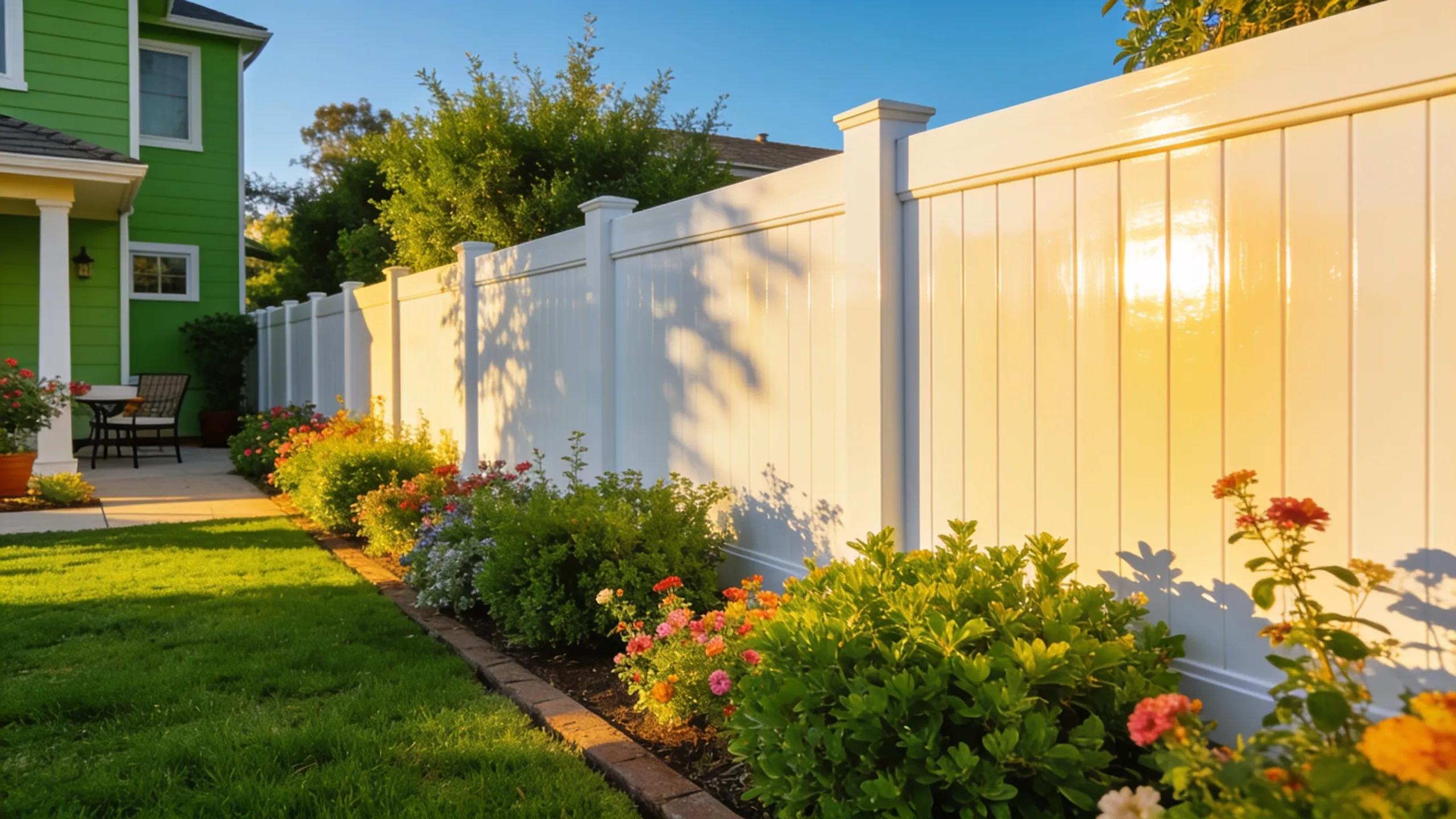


How to Prevent Mold on Your Vinyl Fence: Expert Cleaning and Maintenance Tips
A clean, mold-free vinyl fence preserves curb appeal and long-term performance, particularly in humid or rainy regions. This guide provides practical, expert-backed strategies for cleaning and maintenance that protect appearance and structural integrity. You will find proven cleaning solutions, preventative measures, and a regular maintenance framework tailored to local conditions in Southern California. For durable, low-maintenance fence options, consider exploring GNG Vinyl.
Best Practices for Cleaning and Maintenance:
Adopt a consistent maintenance routine and targeted prevention to minimise mold growth. The following practices support both appearance and longevity:
- Regular Inspections: Schedule routine checks of your fence for signs of mold or mildew. Early detection is key to preventing extensive growth.
- Scheduled Cleanings: Establish a cleaning routine, ideally every few months, to remove any debris or grime that may shelter mold.
- Use Safe Cleaning Products: Opt for vinyl-specific cleaners or eco-friendly options to protect the environment and your fence.
Consistent application of these practices preserves the fence’s finish and helps extend its service life.
Effective Cleaning Solutions:
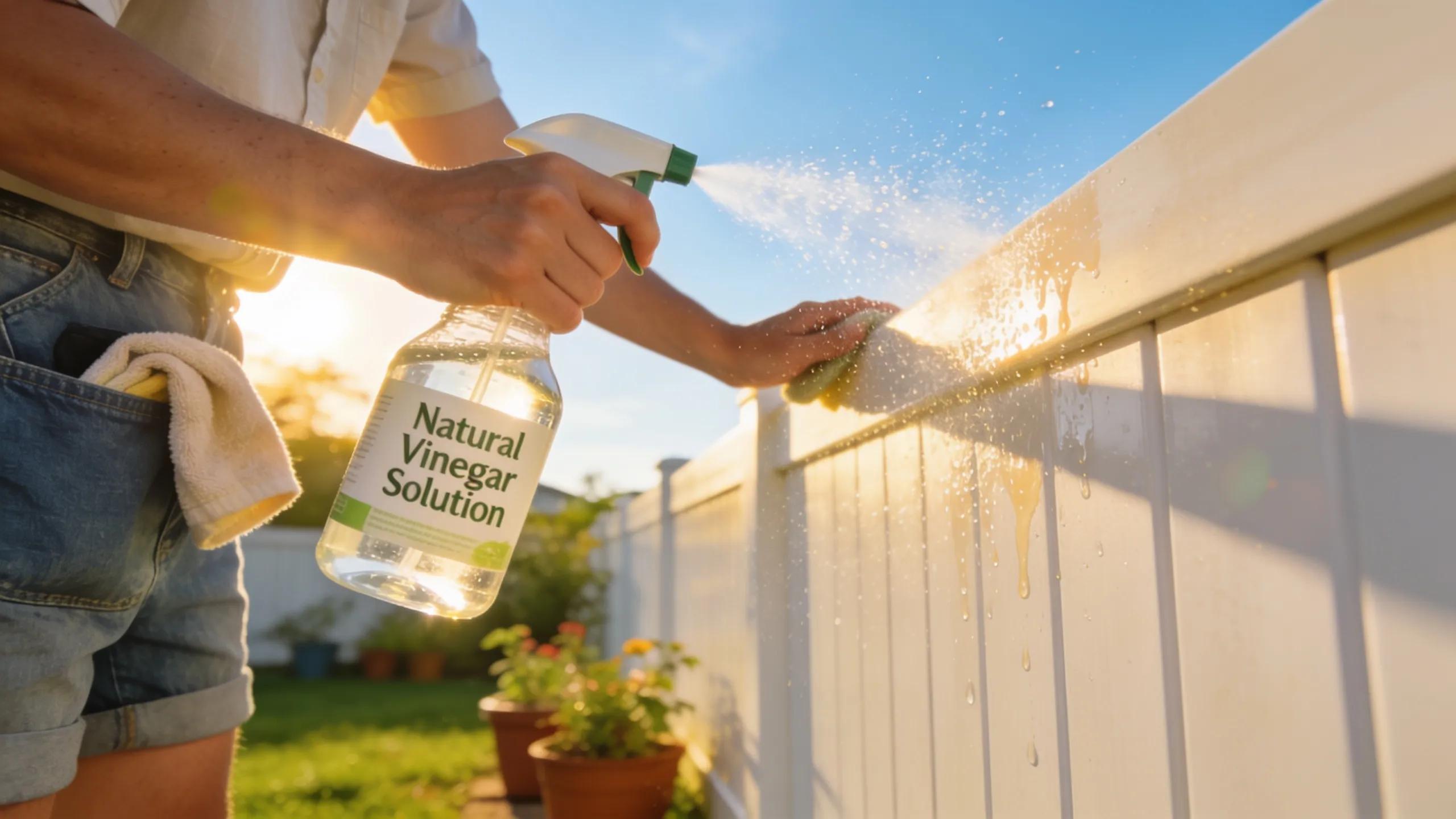
Several suitable products and methods remove mold without harming vinyl. Select options that balance effectiveness with material compatibility:
- Vinegar Solution: A mixture of white vinegar and water can act as a natural mold killer. Spray on affected areas and scrub gently.
- Household Detergents: Non-toxic liquid dish soap mixed with water can effectively clean most vinyl surfaces without causing damage.
- Commercial Vinyl Cleaners: Opt for specialized vinyl fence cleaners which are designed to tackle tough stains and mold without affecting the material.
Rinse thoroughly after cleaning to remove residue. Regular use of these solutions supports ongoing maintenance and surface protection.
Cleaning Product Comparison Table:
This comparison clarifies relative effectiveness to help you select the most appropriate cleaner for your fence.
Preventative Measures:
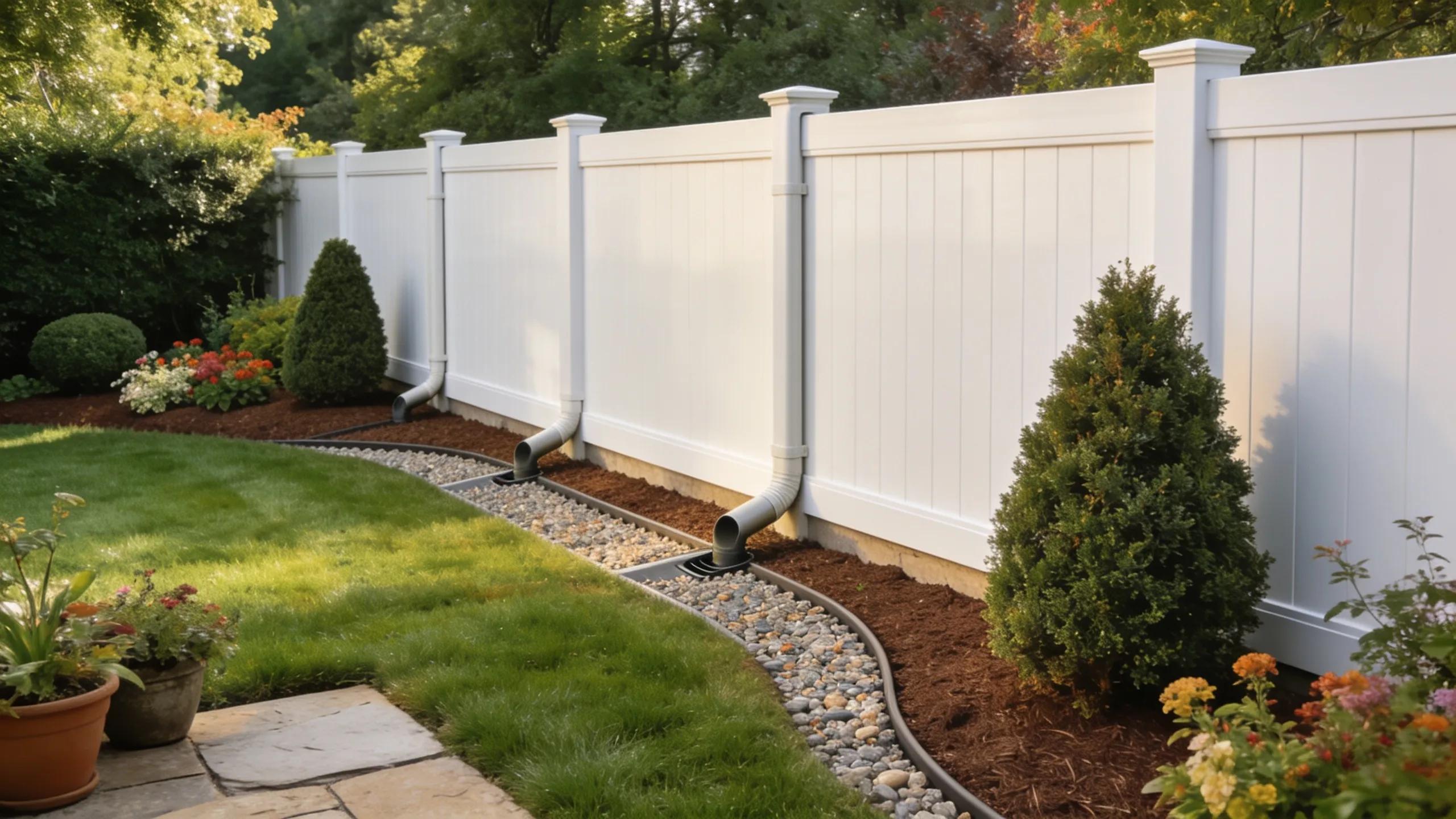
Preventative measures reduce the conditions that allow mold to form. Focus on moisture control and site management:
- Implement Drainage Solutions: Ensure that water drains away from the fence. Standing water can promote mold growth.
- Trim Vegetation: Keep nearby trees and shrubs trimmed. Excess foliage can trap moisture and create a conducive environment for mold.
- Apply Protective Coatings: Consider using protective sprays that form a barrier against moisture on the surface of your fence.
These measures work with cleaning routines to create an environment less favourable to mold development.
What Causes Mold and Mildew on Vinyl Fences in Southern California?
Identifying the environmental drivers of mold supports targeted prevention. Southern California’s local conditions influence how and where mold appears on vinyl fencing.
Which Environmental Factors Promote Mold Growth on Vinyl Fencing?
The following environmental factors increase mold risk:
- Humidity Levels: High humidity levels can promote moisture accumulation on fence surfaces, fostering mold and mildew.
- Shaded Areas: Parts of the yard that remain shaded and receive less sunlight are more susceptible to mold growth due to moisture retention.
- Temperature Fluctuations: Variations between daytime and nighttime temperatures can create condensation on vinyl surfaces.
Mitigating these factors will strengthen your preventative maintenance and reduce recurrence.
How Does Vinyl Fence Material Resist or Attract Mold?
Vinyl’s synthetic, non-porous composition makes it less absorbent than wood, which reduces mold tendency; nonetheless, environmental exposure and maintenance influence outcomes.
- Non-Porous Nature of Vinyl: The synthetic composition of vinyl does not easily absorb moisture, thus helping to resist mold.
- Effects of Moisture: Prolonged exposure to moisture, especially if compounded by humidity, can lead to mold on unprotected surfaces.
- Best Practices for Maintenance: Regular cleaning and protective measures can further inhibit mold from establishing on fences.
Understanding these material characteristics allows homeowners to apply the most effective care protocols.
What Are the Most Effective Cleaning Methods to Remove Mold from Vinyl Fences?
When mold appears, choose methods that remove growth while preserving the fence material and finish.
- Pressure Washing: A pressure washer can effectively blast away mold, but care must be taken to avoid damaging the vinyl surface. Use a low setting to ensure safety.
- Scrubbing with Brushes: Manual scrubbing with a soft brush dipped in cleaning solution helps to remove stubborn mold spots.
- Chemical Treatments: Commercial mold removers can be used, being careful to follow the manufacturer’s instructions.
Regular monitoring of the fence condition ensures these methods remain safe and effective over time.
Which Cleaning Products Safely Eliminate Mold on Vinyl Fences?
Select products that balance cleaning power with material safety:
- Eco-Friendly Cleaners: These are gentle on both the environment and the vinyl surface, effectively reducing mold without harsh chemicals.
- Concentrated Mold Removers: These products pack a powerful punch against tough mold stains while ensuring the safety of vinyl.
- DIY Vinegar Solutions: As discussed earlier, vinegar’s acidity is a natural mold deterrent that can assist in care routines.
Appropriate product selection maintains both the appearance and the structural integrity of your vinyl fence.
How to Follow Step-by-Step Mold Removal Procedures for Vinyl Fencing?
Use a clear, stepwise procedure to ensure thorough and safe mold removal:
- Preparation: Gather cleaning materials and necessary protective gear.
- Initial Rinse: Use water to rinse the fence and loosen any surface debris.
- Application of Cleaner: Apply your chosen cleaning solution and allow it to sit for a few minutes to penetrate the mold.
- Scrubbing: Use a soft brush to scrub the affected areas, ensuring all mold is removed.
- Final Rinse: Rinse thoroughly with clean water to remove any residue.
Following these steps consistently produces reliable results and reduces the chance of recurrence.
How Often Should You Maintain and Clean Vinyl Fences to Prevent Mold?
Regular inspection and cleaning schedules are essential components of effective mold prevention.
What Is the Recommended Maintenance Schedule for Vinyl Fence Longevity?
Follow a disciplined maintenance timeline to preserve fence longevity:
- Quarterly Cleanings: Every three months, perform a thorough cleaning to remove grime and prevent mold buildup.
- Seasonal Inspections: At the start of each season, inspect for any areas of concern or potential mold spots.
- Post-Rain Checks: After significant rain, check for standing water or dampness that may contribute to future mold growth.
Adopting this proactive schedule reduces mould risk and helps keep the fence in optimal condition.
Which Maintenance Tips Help Sustain Mold Resistance and Appearance?
Beyond scheduled cleanings, targeted maintenance supports long-term resistance and visual quality:
- Routine Checks: Regularly inspect your fence for any signs of wear or mold and address them promptly.
- Prompt Repairs: Address any damage quickly to prevent moisture entry, which can lead to mold.
- Visual Aesthetic Maintenance: Keep the surrounding area tidy to reduce debris and prevent mold growth.
Consistent attention to these details extends the fence’s useful life and preserves its appearance.
What Are the Benefits of Professional Installation and Services for Mold Prevention?
Professional installation and service deliver measurable benefits in reducing mold risk and ensuring long-term performance.
How Does Expert Installation Enhance Vinyl Fence Mold Resistance?
Correct installation techniques and material selection materially affect mold resistance:
- Correct Techniques: Professionals use methods that prevent water accumulation, helping to keep your fence dry.
- Material Use & Selection: Selecting the right grade of vinyl with proper additives enhances mold resistance.
- Warranty Options: Many professional installations come with warranties that cover issues like mold damage, providing peace of mind.
Investing in professional installation improves performance and delivers a long-term, reliable result.
What Consultation and Service Options Does GNG Vinyl Fencing Provide?
GN Vinyl specialises in durable, low-maintenance vinyl fencing and patio products designed for homeowners. Our core services include:
- Free Consultations: Understanding your specific needs and offering personalized solutions.
- Expert Installation Quotes: Transparent pricing for high-quality installation services.
- Mold Prevention Strategies: Consultation on best practices for maintaining your fence’s appearance and integrity.
These services reflect our commitment to reliable, customer-focused solutions that protect your investment.
How Does Southern California’s Climate Impact Mold Growth on Vinyl Fences?
Regional climate patterns influence how moisture interacts with fence surfaces, affecting mould development and maintenance needs.
Why Is Regional Humidity a Key Mold Growth Factor for Vinyl Fences?
Humidity directly affects surface moisture and subsequent mold risk:
- Moisture Accumulation: Higher humidity levels directly correlate with increased moisture on fence surfaces, fostering mold growth.
- Seasonal Patterns: The dry season may alleviate growth temporarily, while the wet season can present vulnerabilities.
- Insufficient Airflow: Enclosed areas with poor circulation tend to retain moisture longer, increasing mold risks.
Accounting for these factors enables targeted maintenance that reduces recurring issues.
What Climate-Specific Prevention Strategies Optimize Fence Durability?
Adopt strategies tailored to Southern California’s conditions to maintain durability and appearance:
- Selecting the Right Location: Installing fences in areas with better sunlight exposure can expedite drying and reduce humidity levels.
- Utilizing Ventilation Solutions: Ensure surrounding vegetation is maintained to enhance airflow and reduce moisture retention.
- Monitoring Weather Changes: Be vigilant about weather forecasts, particularly during the rainy season, to adjust cleaning and maintenance routines.
Applying these climate-adaptive measures increases the fence’s lifespan and preserves its visual quality.
Preventing mold preserves your fence’s appearance and extends its service life. Implement proven cleaning routines and preventative measures, monitor conditions regularly, and seek professional advice when needed. Our specialist services are available to help maintain the integrity and value of your vinyl fence.