

Common Vinyl Fence Installation Problems and Solutions
Common Vinyl Fence Installation Problems and Solutions: Expert Guidance for Durable and Reliable Fencing
Vinyl fencing is a preferred option for homeowners because it combines durability, low maintenance, and aesthetic enhancement. Installations can present specific challenges, however. This article reviews common installation problems and provides practical solutions to maintain performance and appearance. It covers warping, cracking, and gate misalignment, with prevention and repair guidance. Understanding these issues enables homeowners to act proactively and reduce the risk of costly repairs. The discussion also emphasises the value of professional installation and routine maintenance to maximise fence longevity.
What Are the Most Frequent Vinyl Fence Installation Issues?
Several issues can arise during vinyl fence installation that compromise structural integrity and visual appeal. Early identification reduces repair costs and downtime. The most common concerns are warping, cracking, and gate misalignment, each attributable to distinct causes.
Identifying Warping and Its Causes in Vinyl Fences

Warping occurs when panels bend or twist, typically as a result of temperature fluctuations or incorrect installation. This condition creates visible gaps and reduces structural performance. Common causes of warping include:
- Extreme Temperatures: Vinyl can expand and contract with temperature changes, leading to warping if not installed correctly.
- Improper Installation: Failing to follow manufacturer guidelines during installation can result in inadequate support for the panels.
- Poor Quality Materials: Using substandard vinyl can increase the likelihood of warping over time.
Detecting warping at an early stage is essential to limit deterioration and preserve the fence’s appearance.
Understanding Cracking and Material Defects
Cracking arises from material defects or environmental stressors. A clear understanding of the causes enables targeted repairs and prevention. Key considerations include:
- Material Quality: Low-quality vinyl is more prone to cracking, especially under stress or extreme weather conditions.
- UV Exposure: Prolonged exposure to sunlight can weaken the material, leading to cracks over time.
- Impact Damage: Physical impacts from objects or weather events can cause cracks to form.
Early recognition of cracking allows homeowners to repair or replace affected panels before the problem escalates.
How Can You Effectively Address Vinyl Fence Warping?
Resolving warping requires adherence to professional installation standards combined with appropriate repair techniques. Understanding both prevention and remediation maintains fence integrity.
Professional Installation Techniques to Prevent Warping
To reduce the risk of warping during installation, apply the following techniques:
- Proper Panel Spacing: Ensure panels are spaced correctly to allow for expansion and contraction.
- Use of Quality Materials: Invest in high-quality vinyl that is less likely to warp over time.
- Follow Manufacturer Guidelines: Adhering to installation instructions can significantly reduce the risk of warping.
Consistent application of these practices helps keep panels straight and structurally secure.
Repair Methods for Warped Vinyl Fence Panels
If warping has already occurred, consider the following repair options:
- Heat Application: Carefully applying heat can help reshape warped panels back to their original form.
- Replacement: In severe cases, replacing the warped panels may be necessary to maintain the fence’s appearance and functionality.
- Professional Help: Consulting with a professional installer can provide the best solutions for repairing warped panels.
Prompt intervention limits further damage and extends the service life of the fence.
What Are the Best Practices for Fixing Vinyl Fence Cracks?
Repairing cracks requires accurate diagnosis of causes and selection of appropriate repair methods. Proper practice preserves structural integrity and appearance.
Diagnosing Causes of Cracking: UV Exposure and Material Quality
Effective crack remediation begins with diagnosis of contributing factors:
- UV Exposure: Assess the level of sunlight exposure your fence receives, as excessive UV can weaken the material.
- Material Quality: Evaluate the quality of the vinyl used; higher-quality materials are less likely to crack.
Identifying root causes enables homeowners to implement preventive measures and reduce future cracking.
Step-by-Step Repair Tips for Cracked Vinyl Fence Panels
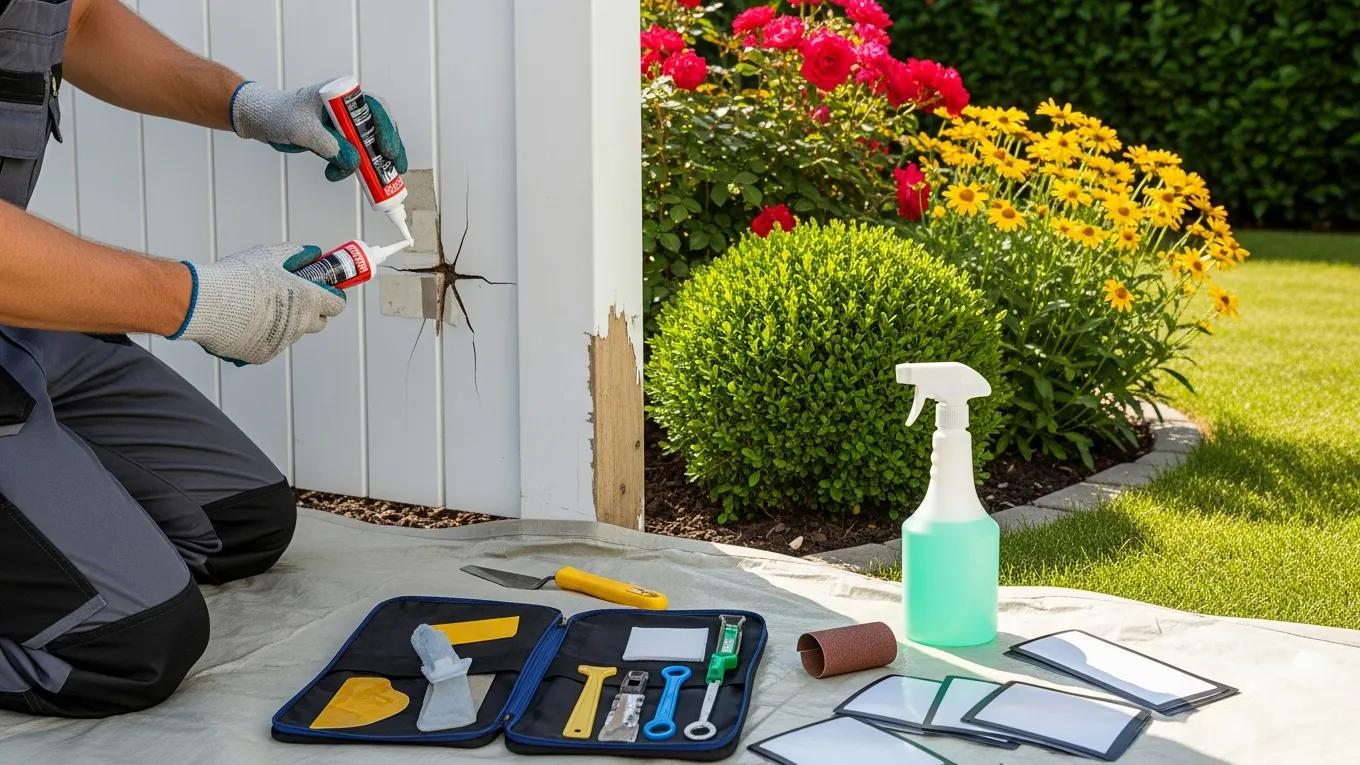
Repair cracked panels by following these steps:
- Clean the Area: Remove any debris or dirt around the crack to ensure a clean repair surface.
- Use Vinyl Repair Kits: Apply a vinyl repair kit specifically designed for fixing cracks in vinyl materials.
- Follow Instructions: Adhere to the manufacturer’s instructions for the best results.
These procedures assist in restoring both appearance and function.
How Do You Ensure Proper Vinyl Fence Gate Alignment?
Correct gate alignment is essential for reliable operation and to limit premature wear on hardware. Misalignment can create functional issues and aesthetic defects.
Common Gate Misalignment Problems and Their Impact
Typical issues associated with gate misalignment include:
- Difficulty Opening/Closing: Misaligned gates can become stuck or difficult to operate.
- Increased Wear on Hardware: Misalignment can cause undue stress on hinges and latches, leading to premature failure.
- Aesthetic Concerns: An uneven gate can detract from the overall appearance of the fence.
Early detection of these conditions enables timely corrective action.
Solutions for Realigning and Maintaining Gate Hardware
To realign a misaligned gate, implement the following solutions:
- Adjust Hinges: Loosen and reposition hinges to achieve proper alignment.
- Check for Obstructions: Ensure there are no objects blocking the gate’s path.
- Regular Maintenance: Perform routine checks on gate hardware to ensure it remains in good condition.
Applying these measures preserves alignment and prolongs the operational life of gate components.
What Are the Typical Fence Post Problems in Vinyl Fencing and How to Resolve Them?
Fence posts provide the primary structural support for vinyl fencing; several common problems can affect stability and performance.
Detecting Fence Post Stability Issues and Causes
Common indicators of post instability include:
- Leaning Posts: Posts that lean may indicate inadequate support or poor installation.
- Cracks or Breaks: Visible damage to posts can compromise the entire fence’s integrity.
- Movement: Posts that shift or move when pressure is applied may need immediate attention.
Identifying these signs early helps prevent progressive damage to the fence system.
Repair and Replacement Strategies for Fence Posts
To address unstable posts, consider the following strategies:
- Reinforcement: Adding concrete or additional support can stabilize leaning posts.
- Replacement: In cases of severe damage, replacing the post may be necessary.
- Professional Assessment: Consulting with a professional can provide insights into the best course of action.
Proactive repairs and assessments support the long-term stability and serviceability of the fence.
How Can Regular Maintenance Prevent Vinyl Fence Installation Problems?
Consistent maintenance is fundamental to preventing common installation problems. A regular program of inspections and upkeep extends service life and reduces repair costs.
Routine maintenance practices substantially reduce the likelihood of installation failures and help ensure the fence remains durable and reliable over time.
Given the importance of preventative measures, understanding effective repair techniques is also crucial for a comprehensive maintenance plan.
Effective Repair Techniques for Building Maintenance Plans
Repair techniques should be integrated into maintenance plans as corrective or preventive actions alongside routine maintenance procedures. Based on the classification of defects and repair methods, the most appropriate techniques should be selected using a correlation matrix that links specific defects to suitable repair interventions for the affected building element or material.
Repair Techniques, J de Brito, 2020
Frequently Asked Questions
What materials are best for vinyl fence installation?
Choosing high-quality materials is crucial for effective vinyl fence installation. Ideally, look for vinyl that is formulated with UV inhibitors and impact-resistance features. These enhancements will prolong the life of your fence and minimize issues like cracking and fading. Additionally, consider selecting materials that come with warranties as they often signify a higher quality and durability. Avoid using inferior materials, as they are more prone to warping or breaking, which can lead to additional maintenance costs.
Can I paint or stain my vinyl fence?
Vinyl fencing is designed to maintain its color and appearance without the need for paint or stains, making it low maintenance. Painting or staining vinyl fences is generally not recommended as it can lead to adherence issues and reduce the fence’s lifespan. If you desire a different color, consider purchasing vinyl fencing that comes in your preferred hue or consider using vinyl-specific spray paint recommended by manufacturers. Always follow the guidelines provided for any modifications to avoid warranty violations.
How often should I clean my vinyl fence?
For optimal upkeep, it’s advisable to clean your vinyl fence at least twice a year. Regular visual inspections combined with cleaning help prevent buildup of dirt, algae, and mildew. Use a mild detergent and a soft-bristle brush to gently scrub the surface. For tougher stains, a mixture of baking soda and water can effectively do the job. Regular cleaning not only keeps the fence looking aesthetically pleasing but also helps in identifying potential problems early, such as cracks or warping.
Is it necessary to reinforce fence posts during installation?
Yes, reinforcing fence posts during installation is essential for ensuring overall stability and durability of the vinyl fence. Posts should be placed deep in the ground and set in concrete for additional secure support. The depth of post holes should typically be at least one-third of the fence height. Proper reinforcement helps prevent leaning and shifting, particularly in areas with strong winds or soft soil conditions, significantly enhancing the longevity of your fencing.
What should I do if I find a crack in my vinyl fence?
If you discover a crack in your vinyl fence, it’s important to address it promptly to prevent further damage. Start by cleaning the area around the crack, then apply a vinyl repair kit designed specifically for such issues. These kits typically contain adhesives that can bond and restore the original structural integrity. If the crack is extensive, consider consulting a professional for potential panel replacement to maintain the fence’s appearance and safety.
How can I enhance the longevity of my vinyl fence?
Enhancing the longevity of your vinyl fence involves regular maintenance and proactive care. This includes conducting monthly visual inspections to identify potential issues, cleaning the fence biannually, and checking hardware annually to ensure everything operates smoothly. Additionally, ensure that your fence is correctly installed according to manufacturer guidelines, as following best practices during installation can significantly reduce future maintenance needs and potential repairs.
Familiarity with common vinyl fence installation problems and their remedies enables homeowners to preserve both structural integrity and visual quality. Addressing warping, cracking, and gate misalignment proactively will extend service life and limit repair costs. Professional installation combined with regular maintenance is essential to achieve long-term durability and reliable performance. Consult our expert resources and follow recommended practices to keep your vinyl fence in optimal condition.